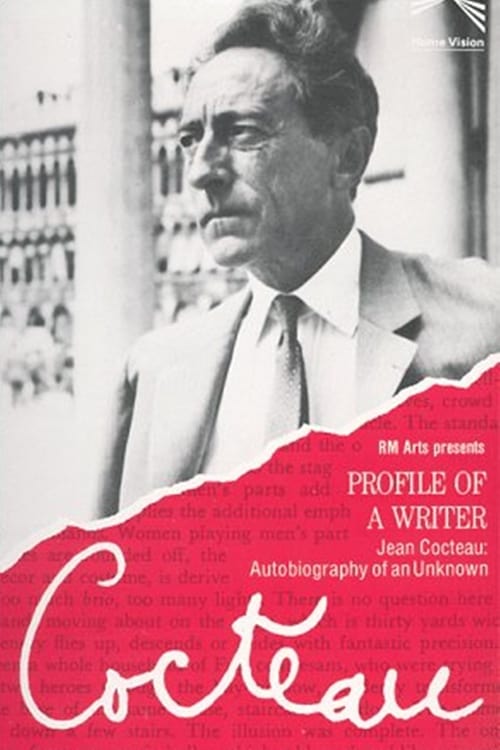
Jean Cocteau: Autobiography of an Unknown
1984
No user ratings available yet
Representation score: 5.5 out of 10
Representation Score
Limited
1962
Director
Jean Cocteau
Runtime
25 minutes
Average Rating
No ratings yetNew Showbiz Analysis
Jean Cocteau's final short film is a minimalist exploration of time and societal structures. It focuses more on disrupting conventional norms rather than studying social identity. The work challenges historical continuity and institutional authority, achieving a high level of cultural subversion. However, it lacks the demographic diversity needed for high scores in racial or gender categories, as it centers on a single male subject. Ultimately, the film's impact lies in its postmodern approach to existence, emphasizing the creator's unique perspective over broad social representation.
Category Breakdown
Jean Cocteau's identity as an influential artist shapes the film's representation. Though there are no direct depictions of same-sex relationships, his ethereal presence hints at a move away from the assumption that everyone is straight or cisgender.
The film revolves around a single male character. By focusing solely on Cocteau’s monologue, it excludes women and non-binary individuals, reinforcing a traditional male perspective.
The film presents a minimalist portrayal of a single person. There is no indication of a diverse cast or the blending of different racial backgrounds.
Cocteau challenges traditional Western linear progression by positioning himself outside societal norms. The film emphasizes personal, poetic vision over established religious or institutional frameworks.
The film does not provide enough information about the portrayal of physical or neurodivergent disabilities to assign a score.
Present on Screen
Limited or Absent
Official Synopsis
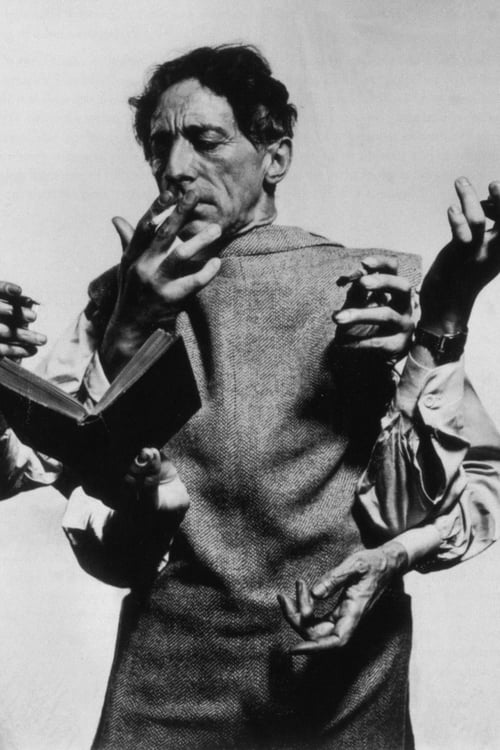
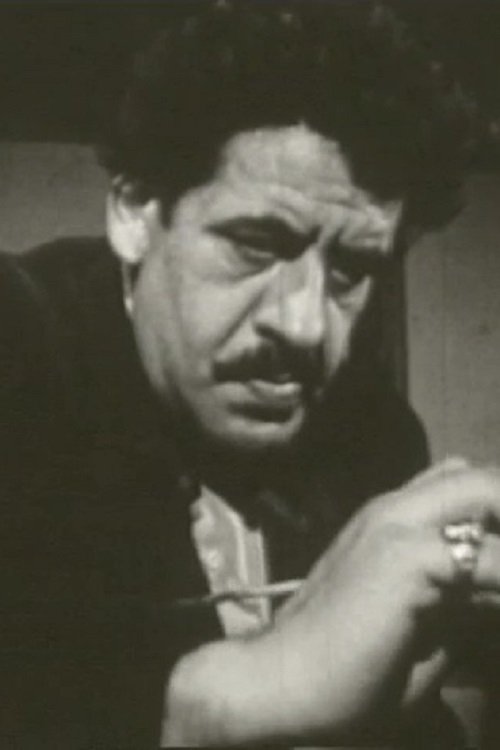
In August 1963, just a couple of months before his death, Jean Cocteau made one last short film. The film comprises one still and highly sober shot of Cocteau facing the camera head-on to address the youth of the future. Once recorded, this spoken message for the 21st century was sealed and stored with the understanding that it would be opened only in the year 2000. As it turned out, it was discovered and exhumed a few years shy of that date. Where in The Testament of Orpheus Cocteau portrays himself as a living anachronism, a lonesome classical modernist loitering in space-time while lost in the spectral light of his memories, here he acknowledges explicitly the irony of his phantom-like state. By the time the viewer sees this image, he, J. C., our saviour Poet, will long be dead.
1984
1983
1952
2014
1983
2005
2006
1947
No reviews yet. Be the first to share your thoughts on this movie!
Use the rating form above to leave a star rating and optional review.