Strangers of the Evening
1932
No user ratings available yet
Representation score: 4.8 out of 10
Representation Score
Minimal
1938
ApprovedDirector
John Rawlins
Runtime
68 minutes
Average Rating
No ratings yetNew Showbiz Analysis
The Missing Guest is a conventional genre piece that relies heavily on the established clichés of 1930s crime, comedy, and horror. The narrative structure centers around a male protagonist navigating professional and social hierarchies that reflect the era's standard social order. The film lacks any storytelling that reflects multiple aspects of identity or intentional narrative subversion. It focuses on traditional Western social structures, offering little evidence of diverse representation or the disruption of mid-century social norms.
Category Breakdown
The film does not include any characters with non-traditional gender identities or sexual orientations. It follows the typical straight-centered social structures of the late 1930s.
The story revolves around a male protagonist named Scoop Hanlon. It emphasizes traditional gender roles by mentioning a women's interest column, reinforcing rather than challenging these roles.
There is no indication of a racially diverse cast. The production likely adhered to the homogeneous casting practices common in the 1930s studio system.
The setting highlights traditional Western social structures and class distinctions. The narrative operates within the conventional moral frameworks of its time.
The film does not provide any information about the portrayal of characters with physical, sensory, or neurodevelopmental differences.
Present on Screen
Limited or Absent
Official Synopsis
Newspaper man "Scoop" Hanlon is looking for a way out of his assigned women's interest column. The one chance he has is to spend the night in the "blue room" of a haunted mansion where a number of people are gathered for a party. When one of the guests disappears from his room, "Scoop" decides to get to the bottom of things.
1932

1933
1944
1966
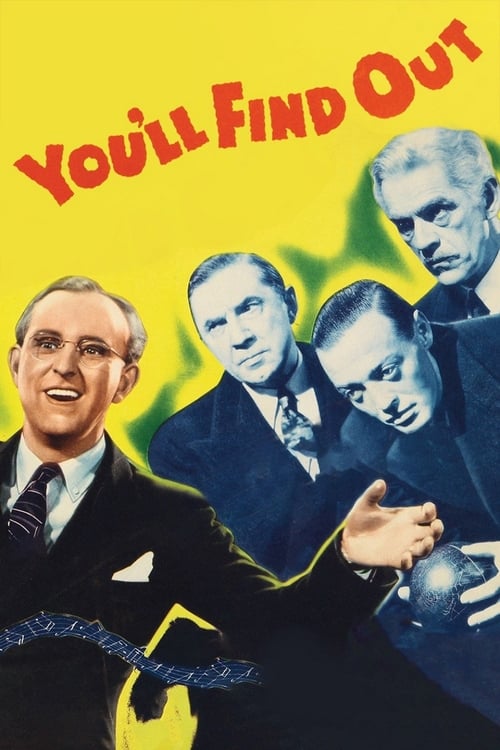
1940
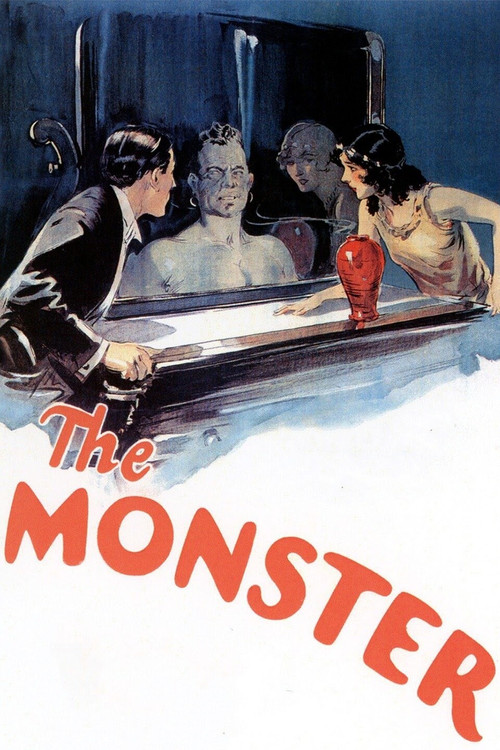
1925

1945
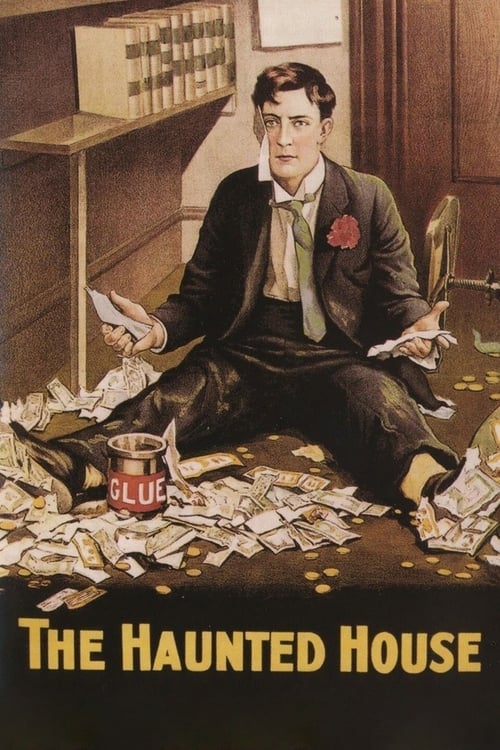
1921
No reviews yet. Be the first to share your thoughts on this movie!
Use the rating form above to leave a star rating and optional review.