Vengeance of the Dead
2001
No user ratings available yet
Representation score: 4.5 out of 10
Representation Score
Fair
1994
Not RatedDirector
Deland Nuse
Runtime
76 minutes
Average Rating
No ratings yetNew Showbiz Analysis
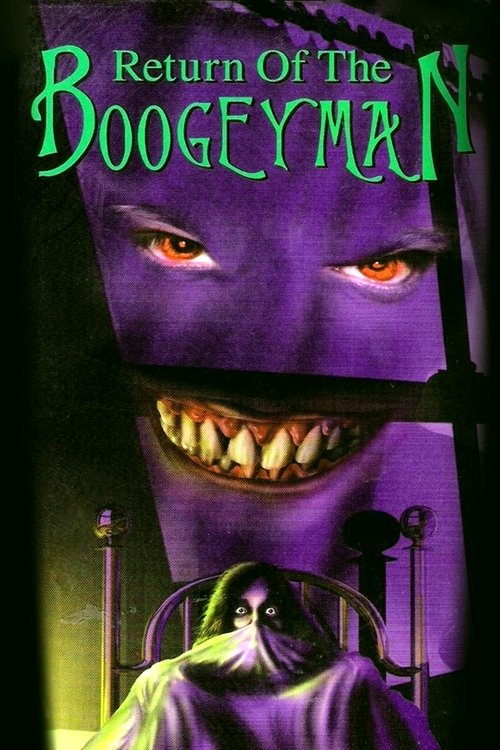
Return of the Boogeyman operates within the confines of conventional supernatural slasher films that adhere to the social hierarchies of its time. While the protagonist uses her psychic abilities to drive the story, the narrative remains tied to the genre clichés prevalent in the mid-1990s. The film does not intentionally address the overlapping aspects of identity or challenge mainstream casting norms. Instead, it presents a largely homogeneous and traditional demographic profile.
Category Breakdown
The film does not include any identifiable LGBTQ+ characters or explore non-cisgender identities. It follows the assumption that everyone is straight or cisgender, which was common in 1990s horror cinema.
Annie is a central character who drives the story through her psychic abilities. However, the film relies heavily on the traditional 'final girl' cliché and does not challenge traditional gender roles or masculine leadership.
The cast is predominantly white and reflects a homogeneous demographic typical of mid-90s suburban horror. There is no significant racial blending or non-white protagonists driving the story.
Supernatural and occult elements are used as standard genre plot devices. The film does not engage in a sophisticated critique of Western institutions or organized religion.
Annie's psychic visions are portrayed as a supernatural curse rather than an exploration of lived disability. There is no evidence of inclusive casting or nuanced neurodivergent representation.
Present on Screen
Limited or Absent
Official Synopsis
Poor Annie every time she falls asleep, her dreams are haunted by visions of a faceless man committing unspeakable crimes. Just like a kid afraid of the dark, the Boogeyman has made her afraid to close her eyes. Annie soon realizes her hideous dreams are predictions. If she can harness this terrifying power, perhaps she can prevent the bloody slaughter she forsees, and track down the Boogeyman before his body count climbs any higher. Their actions are very brave, but are Annie and her friends the hunters... or the hunted?
2001
2015
2007
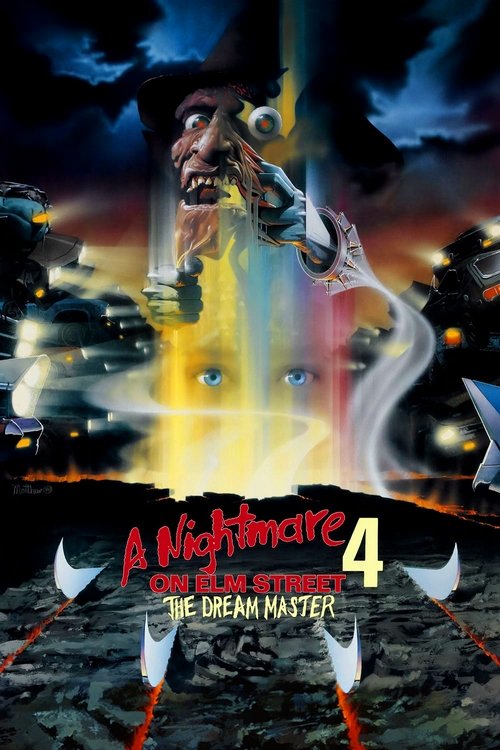
1988
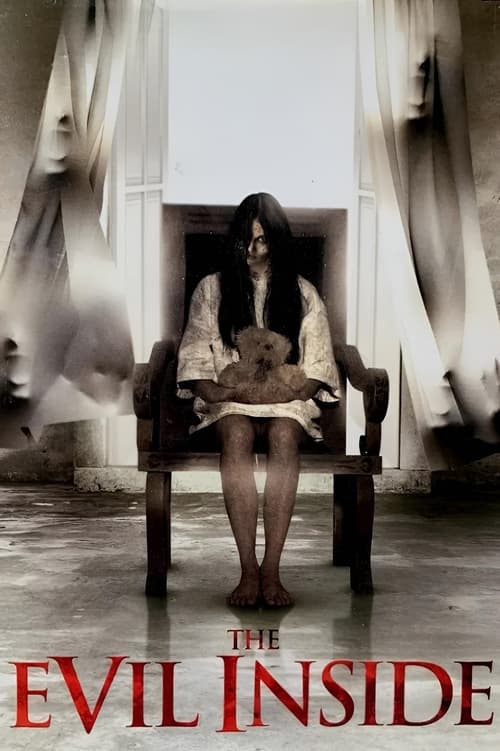
2011
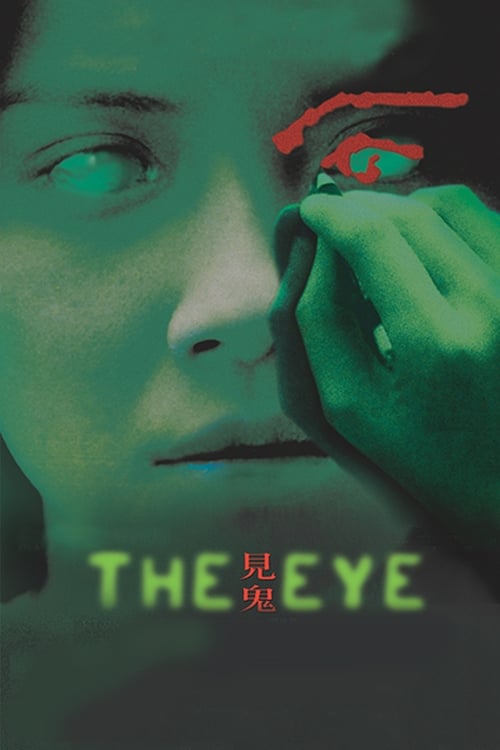
2002

1995
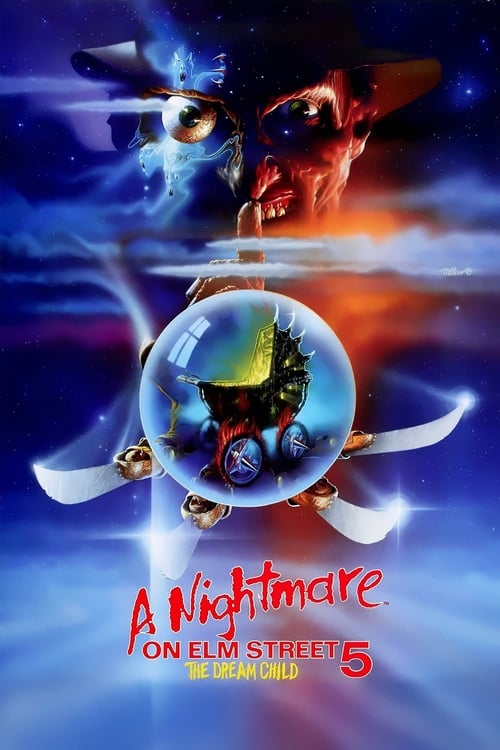
1989
No reviews yet. Be the first to share your thoughts on this movie!
Use the rating form above to leave a star rating and optional review.