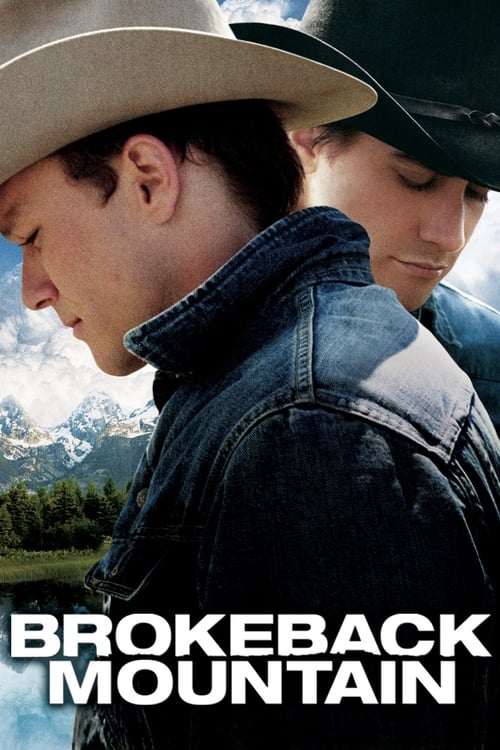
Brokeback Mountain
2005
No user ratings available yet
Representation score: 6.3 out of 10
Representation Score
Good
2011
PG-13Director
Francis Lawrence
Runtime
122 minutes
Average Rating
No ratings yetNew Showbiz Analysis
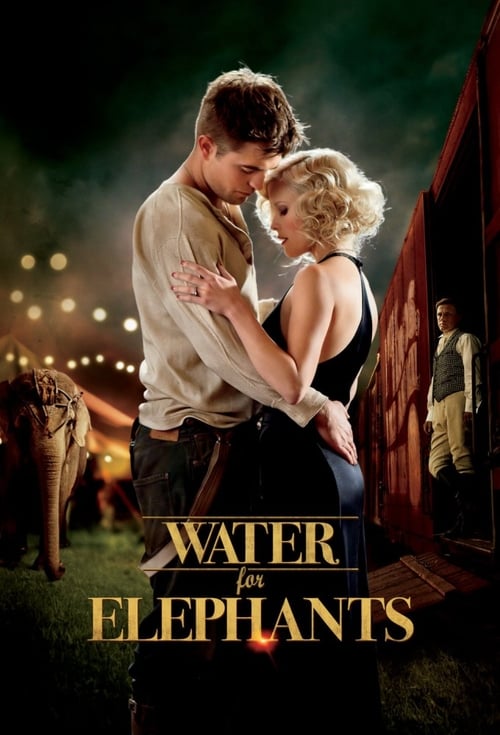
Water for Elephants functions as a period drama that uses a romantic melodrama to critique systemic economic failure. Its primary strength lies in its subversion of traditional domestic stability and its critique of institutional corruption. While the film offers a nuanced look at how economic desperation destabilizes social orders, it remains limited by a lack of significant LGBTQ+ and racial diversity. The central narrative is heavily anchored in a white, straight-centered romantic core. Ultimately, the film's progressive value is found in its social critique rather than its representation of diverse identities. It prioritizes situational ethics over rigid social dogma, reflecting the precarious nature of life during the Great Depression.
Category Breakdown
The story focuses on a romance between Jacob and Marlena, which is centered around straight relationships. It does not include explicit queer identities or expressions that challenge the assumption that everyone is straight or cisgender.
Marlena is depicted who play a significant role in driving the story, navigating complex power dynamics rather than remaining passive. The film also challenges the archetype of stable male leadership by portraying the circus owner as volatile and exploitative.
The circus troupe reflects a diverse socioeconomic melting pot of the Great Depression. However, the central romantic arc remains anchored in a white, Anglo-Saxon core with limited ability to act for characters of color.
The film critiques traditional Western institutions and the instability of the standard family unit. It uses an anti-capitalist subtext to frame the circus as a site of both survival and systemic exploitation.
Physical and psychological trauma are present as part of the era's hardships. However, disability often serves as a backdrop for character struggle rather than being explored through characters with self-determined ability to act.
Present on Screen
Limited or Absent
Official Synopsis
In this captivating Depression-era melodrama, impetuous veterinary student Jacob Jankowski joins a celebrated circus as an animal caretaker but faces a wrenching dilemma when he's transfixed by angelic married performer Marlena.
2005
1934
2011
1938
2007

1952

2011

1939
No reviews yet. Be the first to share your thoughts on this movie!
Use the rating form above to leave a star rating and optional review.