Harley's Hill
2011
No user ratings available yet
Representation score: 1.4 out of 10
Representation Score
Limited
1954
GDirector
Larry Lansburgh
Runtime
46 minutes
Average Rating
No ratings yetNew Showbiz Analysis
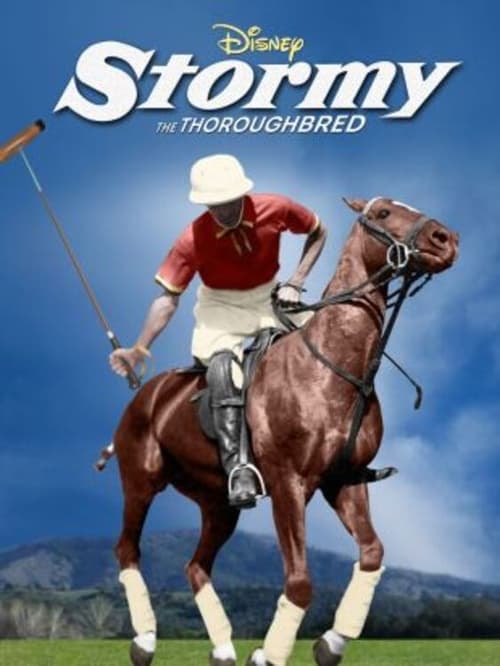
This mid-century biographical narrative follows a conventional success story. It relies on traditional storytelling clichés, particularly the underdog arc, to drive the plot forward. The film emphasizes individual merit and established social hierarchies, reflecting the homogeneous perspectives typical of 1950s American family cinema. It lacks any intentional effort to include diverse identities or disrupt cultural norms.
Category Breakdown
There are no LGBTQ+ characters or narratives addressing non-straight relationships in the film.
The story focuses on male characters such as a colt and polo players, maintaining a traditional hierarchy centered around male figures.
The film reflects the homogeneous social structures of the 1950s, lacking diverse casting or non-Anglo-Saxon perspectives.
The narrative follows a standard Western underdog arc, reinforcing conventional values without critiquing traditional social institutions.
Stormy is portrayed as a misfit due to his small size, using physical inadequacy as a cliché for overcoming limitations.
Present on Screen
Limited or Absent
Official Synopsis
It is the story of how a scrawny young colt grows up to be a highly-prized polo pony, and the cast includes Texan Cecil Smith who, for many years, was the highest rated Polo Player in the world. The story begins on the stormy night the colt was born on a horse farm in Kentucky, seven months after the farm's intended crop of yearlings. He is far behind the other colts and is regarded as a misfit. The other colts are sold off into the racing world, but the under-age and scrawny Stormy (real name Woodie D)is sent off to work on a California ranch. There, he is spotted for the thoroughbred he is and trained as a Polo pony, and comes through with flying colors.
2011
1945
1949
1946
1978
1979
1945

2020
No reviews yet. Be the first to share your thoughts on this movie!
Use the rating form above to leave a star rating and optional review.