
Our Wild Hearts
2013
No user ratings available yet
Representation score: 1.2 out of 10
Representation Score
Minimal
1971
TV-PGDirector
Larry Lansburgh
Runtime
89 minutes
Average Rating
No ratings yetNew Showbiz Analysis
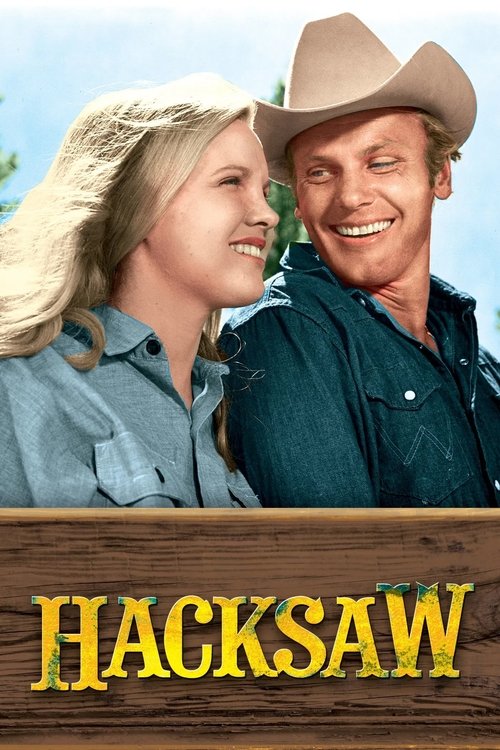
Hacksaw is a conventional 1970s Western adventure that prioritizes genre clichés over social complexity. While the female lead possesses a degree of ability to act in her interaction with the wild horse, the narrative ultimately pivots toward male-dominated competitive activities like wagon racing. The film lacks depth in representing diverse identities, adhering to the homogeneous casting and traditional social hierarchies typical of its era. It functions as a straightforward piece of family-oriented television rather than a work that challenges cultural or racial norms.
Category Breakdown
The film follows traditional companionship clichés typical of 1970s adventure cinema. There is no indication of LGBTQ+ identities or narratives that critique the assumption that everyone is straight or cisgender.
A female lead takes control by capturing a wild horse, yet the plot shifts focus to a male character's competitive wagon racing. This highlights a traditional division between nurturing roles and public competition.
Set in a Western mountain environment, the film appears to adhere to the racial homogeneity common in the genre. No multi-ethnic casting is indicated.
The story reinforces conventional values of frontier-style adventure and perseverance. It aligns with traditional Western clichés centered on mastery over nature.
The narrative does not portray any visible or invisible disabilities.
Present on Screen
Limited or Absent
Official Synopsis
A girl goes on vacation to the mountains where she finds a wild horse named Hacksaw. With a little help, she captures the stud and it doesn't take long until the man who helped her starts wagon racing, since Hacksaw refuses to have any man or woman on his back.
2013

2013

1996
1946
1958
1945
1969
1957
No reviews yet. Be the first to share your thoughts on this movie!
Use the rating form above to leave a star rating and optional review.