Harley's Hill
2011
No user ratings available yet
Representation score: 1.4 out of 10
Representation Score
Minimal
1992
PGDirector
David Hemmings
Runtime
98 minutes
Average Rating
No ratings yetNew Showbiz Analysis
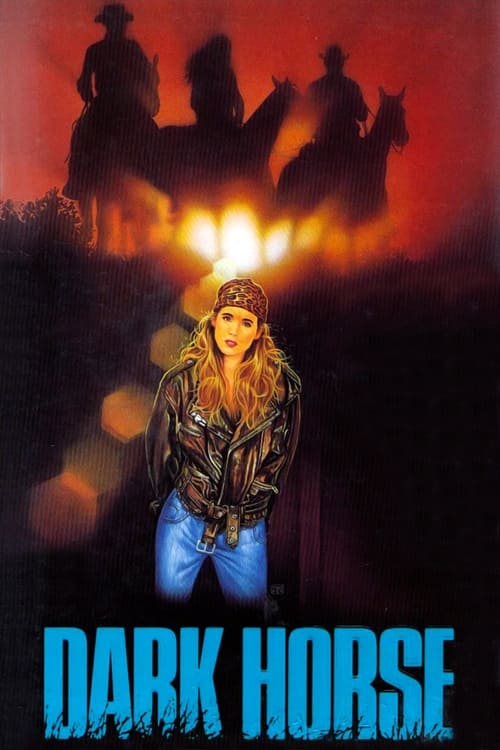
Dark Horse is a conventional coming-of-age drama centered around women's ability to drive the story and personal growth. While it highlights female leadership and competence, it lacks broader multi-layered depth. The narrative follows a standard trajectory within a traditional social context, focusing on established family clichés without critiquing social hierarchies or diverse cultural perspectives. Ultimately, the film's reliance on homogeneous casting and traditional structures limits its progressive impact, resulting in moderate inclusion but minimal social disruption.
Category Breakdown
The film does not include any visible LGBTQ+ characters or explore queer identities. It operates within a traditional framework that assumes everyone is straight.
Allison is a central female protagonist who drives the emotional arc of the story. Susan Hadley demonstrates female leadership and competence as a mentor.
The cast appears homogeneous, following standard cinematic conventions of early 90s British family dramas. There is no evidence of diverse ethnic perspectives or race-bent casting.
The story focuses on conventional themes of family, mentorship, and personal discovery. It avoids critiques of Western institutions like religion or the nuclear family structure.
There is no documentation of characters with visible or invisible disabilities. Disability is not used as a narrative device in this film.
Present on Screen
Limited or Absent
Official Synopsis
14 year old Allison has to go to a horse farm. With all the horses and the help of the owner Susan Hadley she finds new sense in her life.
2011
1945
2011
1946
2016
1994
2015
2020
No reviews yet. Be the first to share your thoughts on this movie!
Use the rating form above to leave a star rating and optional review.