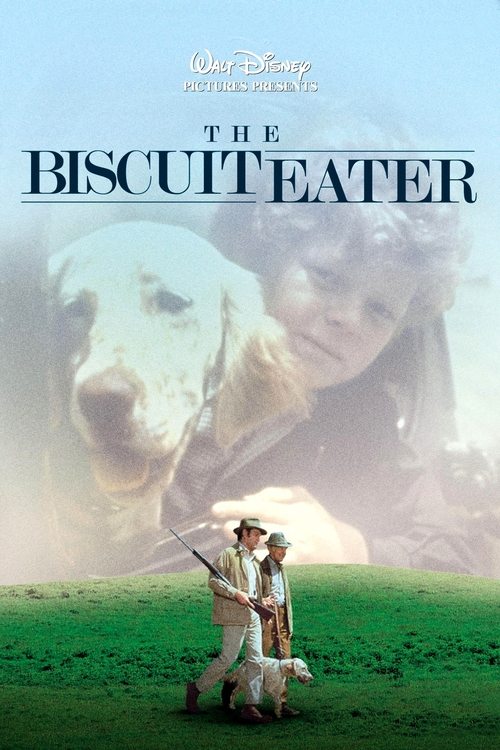
The Biscuit Eater
1972
No user ratings available yet
Representation score: 0.6 out of 10
Representation Score
Minimal
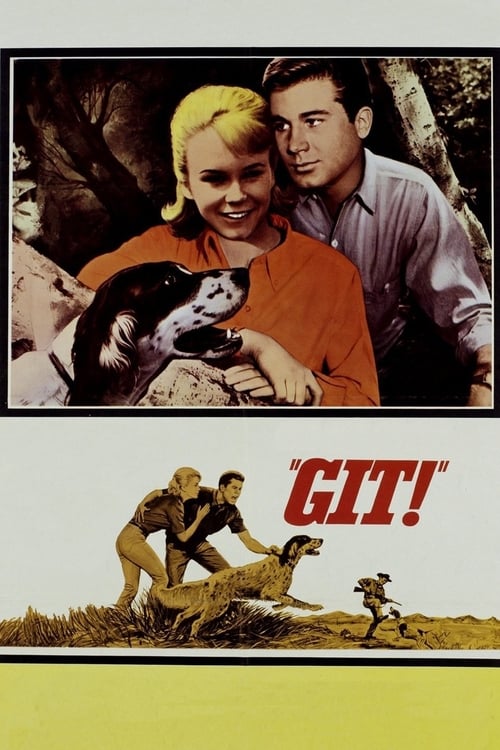
1965
ApprovedDirector
Ellis Kadison
Runtime
92 minutes
Average Rating
No ratings yetNew Showbiz Analysis
Git! is a conventional 1965 family genre piece that adheres strictly to the social hierarchies of its era. The plot focuses on a teenage orphan, a wealthy breeder, and a professional trainer, creating a narrative centered on masculine authority and class distinctions. The film lacks depth in representing diverse identities or subverted social roles. It functions as a standard period piece where the characters reflect the demographic homogeneity common in mid-century studio productions. Ultimately, the film provides a narrow window into 1960s social structures, prioritizing traditional roles over any meaningful representation of underrepresented groups.
Category Breakdown
The film does not include any LGBTQ+ characters or stories about non-cisgender identities. It follows the social structures typical of the mid-1960s.
The story revolves around a male-dominated hierarchy of breeders and trainers. Power dynamics are based on traditional masculine roles of control and authority.
The narrative focuses on a homogeneous social group typical of 1960s family cinema. There is no indication of a non-Anglo-Saxon majority cast.
Themes of class emerge through an orphan navigating wealthy landowner structures. However, the film operates within a conventional moral framework.
There is no mention of visible or invisible disabilities. No characters use neurodivergence or disability as a narrative device.
Present on Screen
Limited or Absent
Official Synopsis
Deke, a runaway orphan from a boy's home, is arrested when he prevents Art Finney, a trainer for a wealthy California dog breeder, Andrew Garrett, from shooting "Rock", a renegade English setter and alleged animal killer. Garrett has Deke remanded to his custody and gives him a job assisting the (highly) resentful Finney and also working with "Rock", whom Deke insists has the makings of a fine hunting dog. The trainer and owner/breeder don't think so, but they accept the word and non-experience of a 17-year-old orphan?
1972
1946
1946

1945

1996

1957

1946
1963
No reviews yet. Be the first to share your thoughts on this movie!
Use the rating form above to leave a star rating and optional review.