
Main Street Today
1944
No user ratings available yet
Representation score: 0.6 out of 10
Representation Score
Minimal
1943
ApprovedDirector
Edward L. Cahn
Runtime
11 minutes
Average Rating
No ratings yetNew Showbiz Analysis
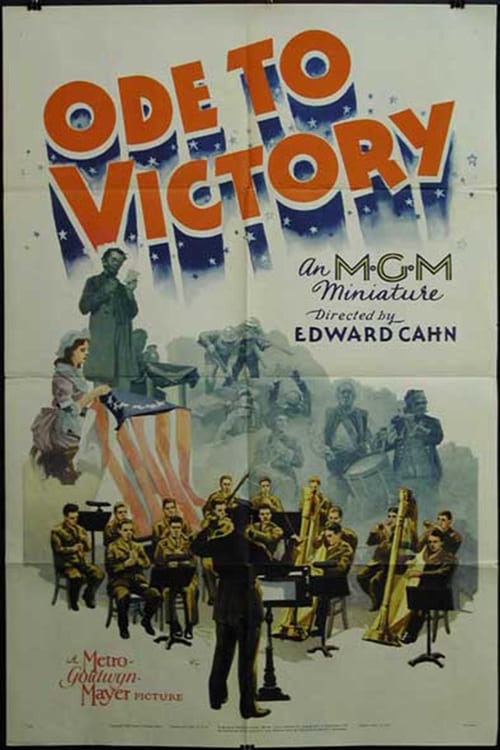
Ode to Victory serves as a tool for wartime mobilization, using a musical suite and film montage to create a unified national identity. The creative intent is to reinforce democratic ideals and national cohesion through a traditionalist perspective. The film's narrative structure is designed to uphold existing social hierarchies rather than challenge them. It relies on a binary distinction between heroic and villainous forces to convey its patriotic message. Because it is a product of the 1940s studio system, it reflects the era's social constraints, prioritizing a homogeneous and idealized vision of American strength.
Category Breakdown
The film does not depict any non-straight relationships or identities. It focuses on traditional wartime social structures.
Women are shown as active participants, such as female resistance fighters, which goes beyond typical domestic roles. However, leadership and structural ability to act remain focused on men.
The film features a predominantly white European cast, lacking intentional inclusion of non-Anglo-Saxon identities. The visual palette is homogeneous.
The film emphasizes Western institutions and national unity. It uses a binary moral framework that reinforces traditional democratic values.
The film does not address neurodivergence or physical disabilities. Characters are portrayed through an idealized lens of wartime strength.
Present on Screen
Limited or Absent
Official Synopsis
This short uses a musical suite to show Americans what they are fighting for in World War II. As an orchestra in military dress plays different "chapters" of the work, relevant excerpts from MGM films show the history of America. The chapters are: 1) Birth of Freedom; 2) The Land Divided; 3) Coming of Age: 4) Land of the Free. At the end, a chorus sings a patriotic exhortation. (Written by David Glagovsky)
1944
1942

1941
1943
1945
1945
1941
1941
No reviews yet. Be the first to share your thoughts on this movie!
Use the rating form above to leave a star rating and optional review.