
Everybody Leaves
2015
No user ratings available yet
Representation score: 4.5 out of 10
Representation Score
Good
2006
Director
Pavel Giroud
Runtime
90 minutes
Average Rating
No ratings yetNew Showbiz Analysis
The film successfully dismantles traditional social and familial hierarchies. By flipping the parent-child dynamic, it offers a new perspective on maturity and ability to act during political turmoil. However, the narrative lacks explicit representation of LGBTQ+ identities or disability. Despite its rich social context, the focus remains narrow on a specific family's psychological journey.
Category Breakdown
The film explores the breakdown of traditional family structures through divorce and eccentric characters. However, it does not explicitly address queer identities.
The narrative turns traditional gender roles upside down by showing a child-like mother. This shifts emotional maturity and control to the ten-year-old son, challenging typical maternal figures.
Set in 1958 Havana, the film highlights racial and class tensions in a post-colonial society. It focuses on a localized Caribbean perspective during a time of significant change.
The film presents cultural complexity by focusing on personal experiences during the Cuban Revolution. It emphasizes nuanced, situational morality over idealized family values.
There is no specific evidence regarding the portrayal of physical or neurodivergent disabilities within the narrative.
Present on Screen
Limited or Absent
Official Synopsis
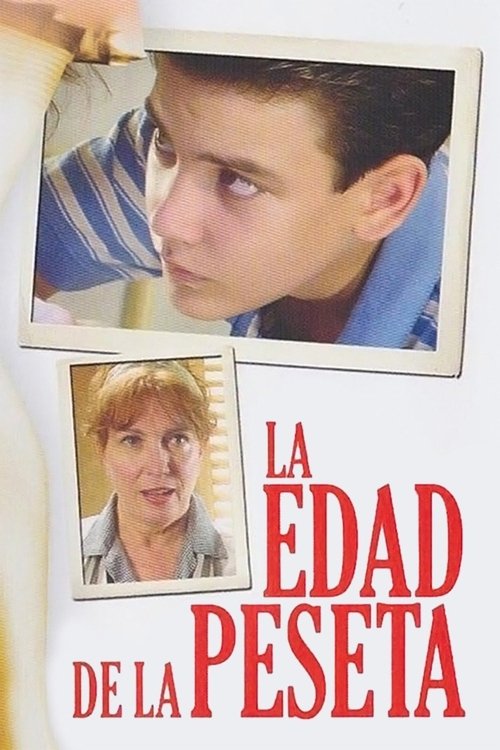
The "edad de la peseta" or silly age is the term used in Cuba for the pre-adolescent period from the age of seven to the age of eleven. Set in 1958 in Havana, the year that culminates the Revolution, ten-year-old Samuel has just arrived in town with his recently divorced mother. They take up residence in the house of his eccentric grandmother Violeta, and Samuel is introduced to a new, mysterious world where Samuel finds himself an adult in comparison to his child-like mother.
2015

1964

2002

2006

2003

2005
1992

2005
No reviews yet. Be the first to share your thoughts on this movie!
Use the rating form above to leave a star rating and optional review.