
The Miracle of P. Tinto
1998
No user ratings available yet
Diversity score: 3.5 out of 10
2004
Director
Joss Agnew
Runtime
70 minutes
Average Rating
No ratings yetSynopsis
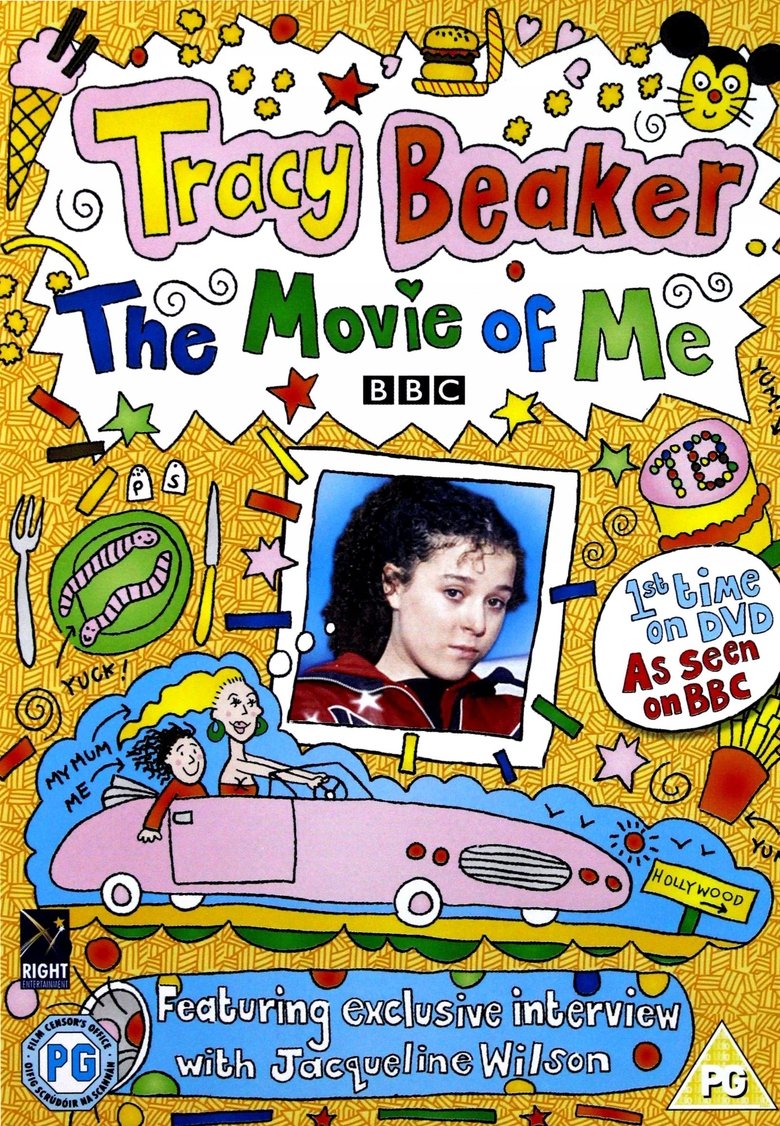
Tracy Beaker's 13th birthday and as a suprise Cam wants to foster Tracy again. Tracy is delighted. An unexpected visitor turns up at the Dumping Ground, Tracy's real mum.
Overall Score
Fair
Category Breakdown
LGBTQ+ Representation
The film lacks explicit LGBTQ+ characters or non-heteronormative relationship arcs. The narrative focus remains strictly on maternal-filial bonds and foster-care dynamics.
Gender Representation
A female-led ensemble provides significant narrative agency. The story centers on the emotional labor and interpersonal complexities of young girls navigating the care system.
Racial & Ethnic Diversity
The cast is predominantly white, reflecting the specific demographic setting of the social care environment. There is a lack of intentional intersectional casting.
Religious & Cultural Diversity
The film critiques Western institutional structures and state bureaucracy. It frames the care home as a site of systemic failure rather than a benevolent institution.
Disability Representation
The protagonist displays neurodivergent-adjacent behaviors, such as emotional dysregulation and impulsivity. These traits are treated with empathy rather than mockery.
Strengths
Areas for Improvement
AI Analysis
The film succeeds as a character study that deconstructs the idealized family unit. By focusing on the turbulence of state-managed upbringing, it validates the emotional volatility of children in the care system. However, the production lacks significant intersectional depth. The absence of LGBTQ+ representation and the predominantly white cast limit its reach as a diverse narrative. Ultimately, the work's strength lies in its institutional critique. It replaces sanitized childhood tropes with a nuanced look at systemic trauma and chosen kinship.
1998

2024

2013

2016

2018

1987
2022
1996

2018

2011

2019

2021
No reviews yet. Be the first to share your thoughts on this movie!
Use the rating form above to leave a star rating and optional review.