
Bernard and the Genie
1991
No user ratings available yet
Representation score: 2.5 out of 10
Representation Score
Fair
1987
PGDirector
Amy Holden Jones
Runtime
93 minutes
Average Rating
No ratings yetNew Showbiz Analysis
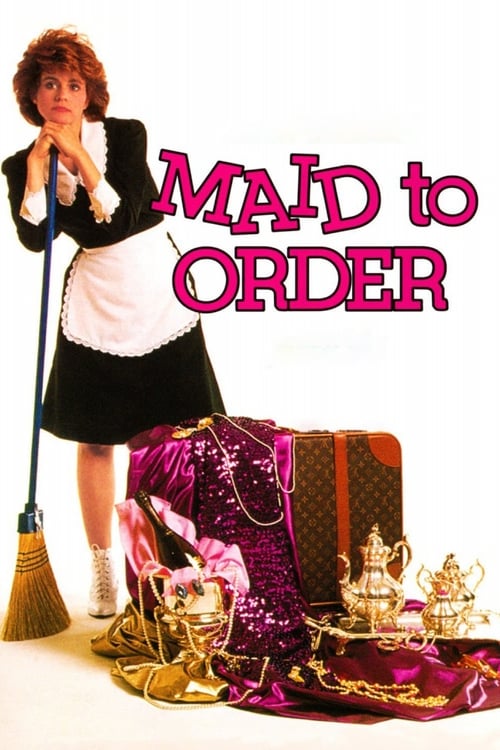
Maid to Order serves as a moral tale about class and personal responsibility. While it avoids deep LGBTQ+ and racial representation, it provides a unique perspective on female empowerment through socioeconomic challenges. The film's strength lies in its portrayal of a wealthy female protagonist learning the value of hard work and service. However, it remains limited by the demographic norms of its time, lacking in racial and LGBTQ+ diversity.
Category Breakdown
The film does not include any explicit LGBTQ+ characters or narratives. It follows a traditional comedic storyline focused on heterosexual relationships.
The story challenges traditional gender hierarchies by taking away the female protagonist's socioeconomic advantages. She must learn to rely on her own skills and work.
The movie centers on the lives of American millionaires and does not show any diversity or non-Anglo-Saxon characters. It follows the demographic norms of the 1980s.
The film criticizes excessive consumerism and capitalist lifestyles. It uses a supernatural fairy godmother to teach personal moral lessons rather than following strict religious doctrines.
There are no characters with visible or invisible disabilities in the film.
Present on Screen
Limited or Absent
Official Synopsis
Spoiled Jessie Montgomery, whose wild behavior and spending excesses cause her well-meaning but exasperated millionaire father Charles to wish he never had her, is visited by fairy godmother Stella. In an effort to save Jessie, Stella casts a spell which causes Charles to no longer have a daughter. Jessie, now penniless and without a friend, must take a maid's job to earn a living, and hopefully to learn her lesson.
1991
1991

2016

1967

1992

1976

2016

1987
No reviews yet. Be the first to share your thoughts on this movie!
Use the rating form above to leave a star rating and optional review.