
K-PAX
2001
No user ratings available yet
Representation score: 3.0 out of 10
Representation Score
Limited
1980
RDirector
William Peter Blatty
Runtime
118 minutes
Average Rating
No ratings yetNew Showbiz Analysis
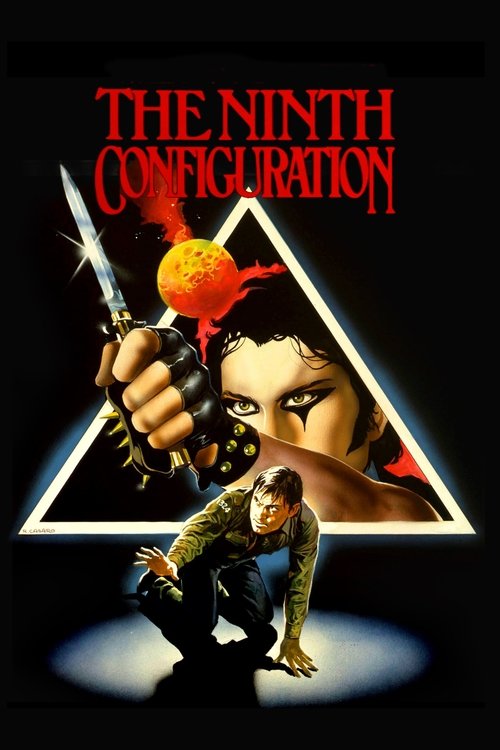
The Ninth Configuration is a film deeply rooted in traditional Western religious and patriarchal structures. Its lack of diverse representation is a reflection of its specific monastic setting and the time period of its production. While the film does not meet contemporary standards for inclusive representation, it excels in offering intellectual depth. It disrupts conventional moral certainties by embracing theological ambiguity and psychological complexity over simplistic teachings. Ultimately, the work serves as a character study of madness and faith, though it remains constrained by its homogeneous cast and male-dominated hierarchy.
Category Breakdown
The film's setting emphasizes celibacy and religious structures, leaving no space for stories involving LGBTQ+ individuals. There is no depiction of non-traditional gender identities or same-sex relationships.
The movie focuses primarily on male characters within a monastic environment, which limits the exploration of gendered power dynamics. Female characters are scarce, making it difficult to analyze gender roles.
The cast is predominantly made up of individuals from the same demographic, reflecting the historical context of religious institutions. The film adheres to a traditional, Eurocentric framework.
The story challenges the idea of absolute Church authority by examining the logic of madness and moral relativism. However, it remains firmly rooted in Western religious traditions.
The film offers a thoughtful look at mental health and psychological instability. It treats character delusions as central to its philosophical inquiry rather than as mere mockery.
Present on Screen
Limited or Absent
Official Synopsis
Army psychiatrist Colonel Kane is posted to a secluded gothic castle housing a military asylum. With a reserved calm, he indulges the inmates' delusions, allowing them free rein to express their fantasies.
2001

1972

1990
1957
1989
2017

2010
1978
No reviews yet. Be the first to share your thoughts on this movie!
Use the rating form above to leave a star rating and optional review.