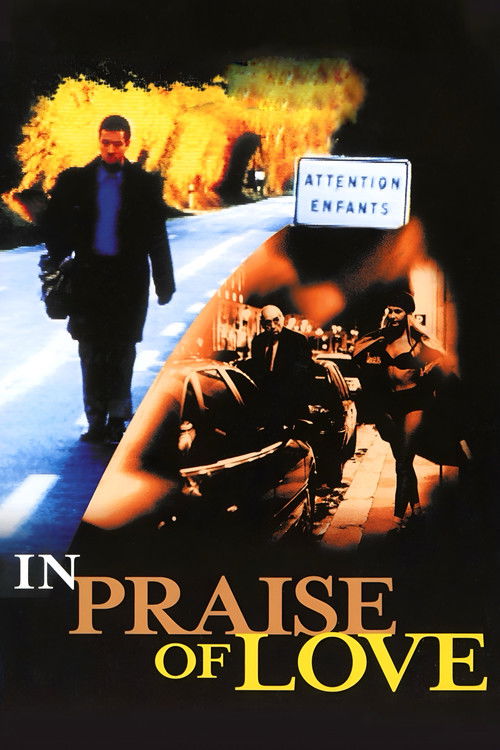
In Praise of Love
2001
No user ratings available yet
Diversity score: 4.8 out of 10
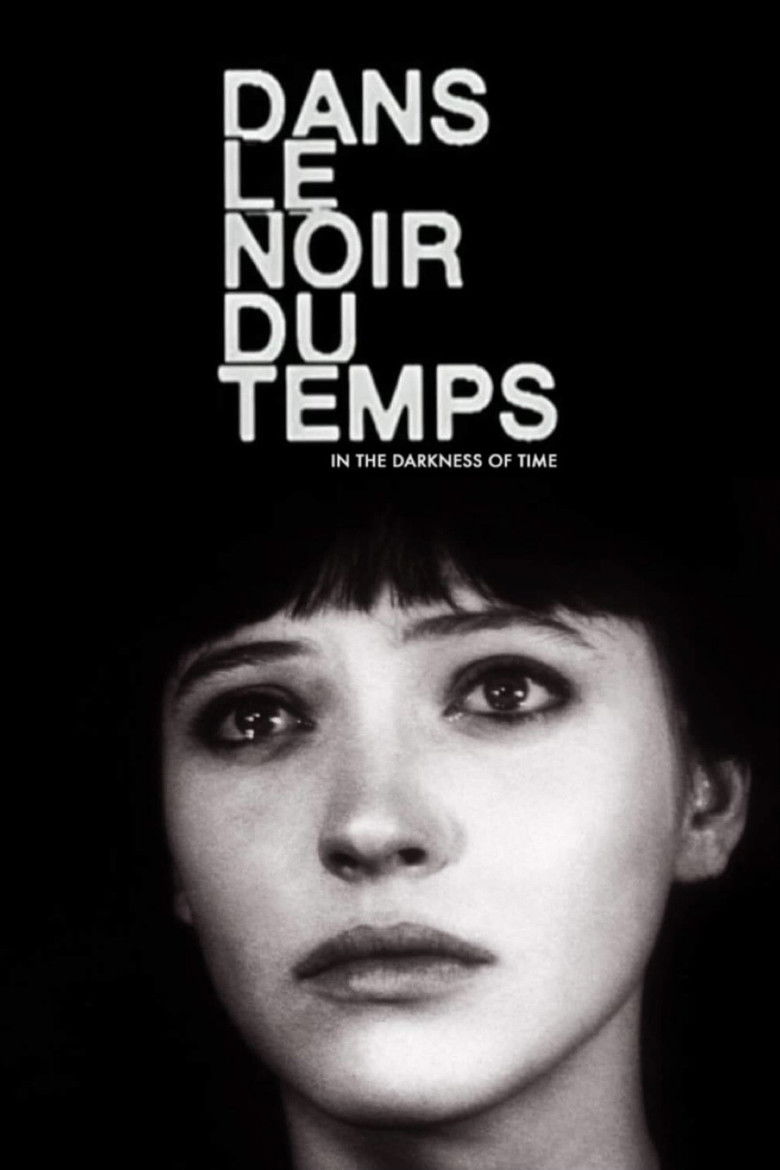
2002
UnratedDirector
Jean-Luc Godard
Runtime
10 minutes
Average Rating
No ratings yetSynopsis
Conceived as a reflection on the theme of time at the turn of the millennium, "Dans le noir du temps" functions as a Pandora’s box which hides all the horrors of the world: the last moments of youth, fame, thoughts, memory, love, silence, history, fear, eternity and, of course, cinema.
Overall Score
Fair
Category Breakdown
LGBTQ+ Representation
The film suggests a moderate expectation of non-traditional relationship structures. While specific identities are not detailed, the director's history often explores the fluidity of identity and non-normative connections.
Gender Representation
The narrative likely disrupts traditional gendered archetypes by focusing on the deconstruction of fame and love. It avoids reinforcing stable, patriarchal leadership in favor of fragmented portrayals of agency.
Racial & Ethnic Diversity
The focus on history and cinema suggests a potentially Eurocentric perspective. There is insufficient evidence to confirm a non-white majority cast or specific intersectional casting choices.
Religious & Cultural Diversity
The work engages in a deep critique of established temporal and social structures. By questioning the stability of history and memory, it aligns with progressive, deconstructive narrative values.
Disability Representation
The film provides no specific mention of characters navigating physical or neurodivergent experiences.
Strengths
Areas for Improvement
AI Analysis
Jean-Luc Godard’s philosophical meditation on existential decay prioritizes abstract, systemic critiques over traditional character-driven arcs. The film functions as a thematic exploration of memory and history at the turn of the millennium. While the work's architecture is designed to disrupt conventional social certainties, the abstract nature of the narrative makes specific demographic representation difficult to verify. The score reflects a tension between the director's history of subversion and the film's potentially Eurocentric philosophical focus. Ultimately, the film's strength lies in its ability to challenge established narrative hierarchies and traditional Western historical progression through a fragmented, non-linear lens.
2001

2014

2010
2004
1993

1963

1998
1988
2008

2007

2003

2012
No reviews yet. Be the first to share your thoughts on this movie!
Use the rating form above to leave a star rating and optional review.