
Don't Die Without Telling Me Where You're Going
1995
No user ratings available yet
Diversity score: 5.3 out of 10
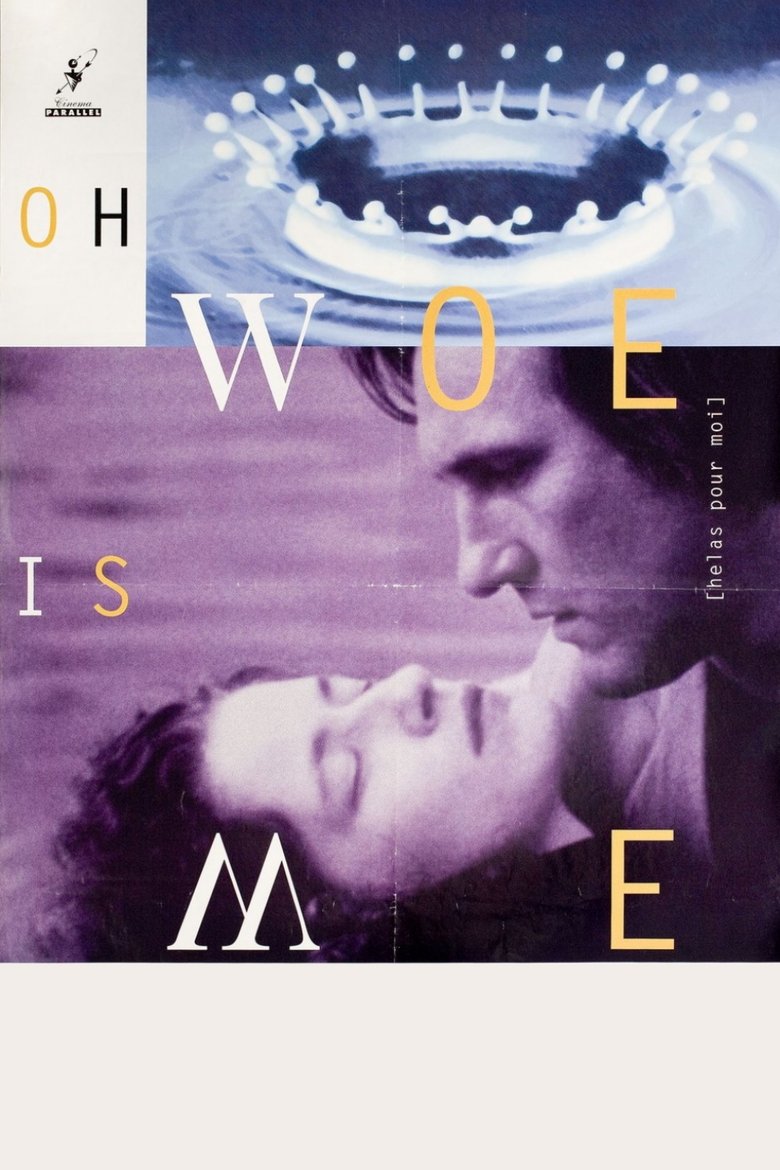
1993
NRDirector
Jean-Luc Godard
Runtime
84 minutes
Average Rating
No ratings yetSynopsis
This complex allegorical tale tells the story of man’s quest for spiritual meaning. When God enters the body of 1980s filmmaker Simon Donnadieu, his wife Rachel realizes that something has gone awry, but chooses to remain faithful to her erratically-behaving husband.
Overall Score
Fair
Category Breakdown
LGBTQ+ Representation
The narrative centers on a heteronormative marriage between Simon and Rachel. While no explicit non-cisnormative identities are mentioned, the film's surrealist style suggests a potential for ambiguity regarding social binaries.
Gender Representation
Rachel serves as a resilient anchor against her husband's metaphysical instability. This framing subverts traditional tropes by positioning the female perspective as the stabilizer amidst male-driven existential chaos.
Racial & Ethnic Diversity
The story appears to be a localized, existential drama without evidence of a diverse cast. Characters may function more as allegorical metaphors than specific ethnic representations.
Religious & Cultural Diversity
The film offers progressive cultural framing by deconstructing religious structures through surrealism. It prioritizes subjective truth and moral relativism over established institutional dogma.
Disability Representation
There is no mention of characters navigating physical or neurodivergent disabilities within the provided narrative.
Strengths
Areas for Improvement
AI Analysis
Jean-Luc Godard’s *Oh, Woe Is Me* is a high-concept allegory that prioritizes philosophical inquiry over standard character archetypes. It succeeds by dismantling traditional Western certainties regarding divinity and social institutions, offering a deeply subjective view of spirituality. However, the film lacks demographic breadth. The narrative focus remains narrow, centering on a specific marriage and a localized existential crisis, which limits its representation of diverse racial and sexual identities. Ultimately, the work's strength is intellectual rather than demographic. It challenges the viewer's perception of authority and stability through a fragmented, non-linear lens.
1995

1986
1975

1987

1961
No reviews yet. Be the first to share your thoughts on this movie!
Use the rating form above to leave a star rating and optional review.