To Kill a Tiger
2023
No user ratings available yet
Representation score: 4.9 out of 10
Representation Score
Fair
2006
TV-14Director
Mohammed Naqvi
Average Rating
No ratings yetNew Showbiz Analysis
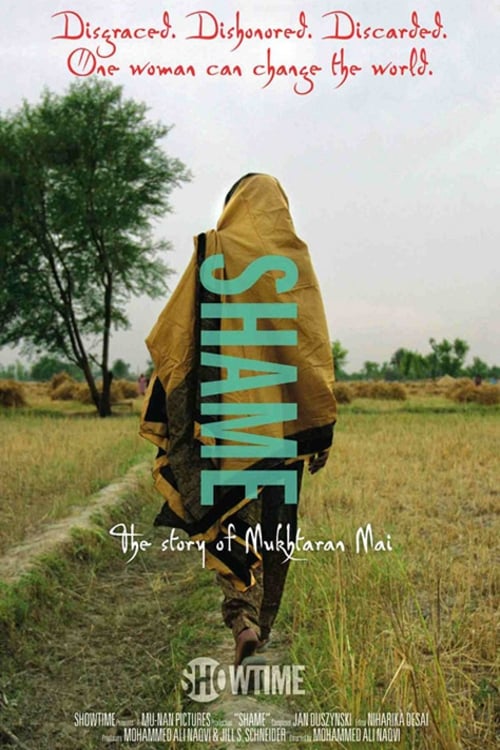
Shame is a powerful critique of systemic violence and the intersection of tribal law with religious authority. By centering Mukhtaran Mai, the documentary disrupts conventional victimhood narratives, presenting a woman who actively dismantles patriarchal hierarchies rather than submitting to them. The film shifts the focus from the victim's perceived shame to the shame of the corrupt systems themselves. It highlights how family, tribe, and local law enforcement can fail individuals in favor of maintaining oppressive communal structures. While the film lacks representation for LGBTQ+ and disability-specific narratives, its commitment to centering a underrepresented voice against institutionalized violence is significant. It offers a sophisticated look at how individual courage can challenge entrenched social dogmas.
Category Breakdown
The film does not focus on LGBTQ+ identities or queer theory.
The movie centers on a woman challenging extreme patriarchal oppression. Mukhtaran Mai is shown as a transformative figure who defies expectations of female submission and self-destruction.
The documentary provides a deep, non-Western perspective by focusing on a Pakistani village. It challenges Western-centric narratives by highlighting specific South Asian socio-political complexities.
The film deconstructs traditional concepts of honor and morality. It critiques the corruption of religious and tribal institutions that enable violence and prioritize communal dogma over justice.
There is no specific focus on physical or neurodivergent disabilities in the narrative.
Present on Screen
Limited or Absent
Official Synopsis
Mukhtaran Mai was an ordinary woman living in a small village in Pakistan until her extraordinary courage turned an ugly incident into international news and made her a role model for women in the Middle East. Mukhtaran's younger brother became involved with a girl from a neighboring village, and when tribal leaders learned of the boy's indiscretion, they decided both he and his family should be punished. While the boy was beaten and sexually assaulted by men from the neighboring tribe, they didn't stop there -- they also gang raped Mukhtaran, with the complicity of her father and uncle. Under such circumstances, most Muslim women in Pakistan are expected to kill themselves to separate themselves from the shame the assault places on their families, but Mukhtaran refused to do so -- she reported the crime to the police and insisted that the men who attacked her be brought to justice, including a holy man who was involved in the rape.
2023
2012
2015
2004
2015
2015
2018

2016
No reviews yet. Be the first to share your thoughts on this movie!
Use the rating form above to leave a star rating and optional review.