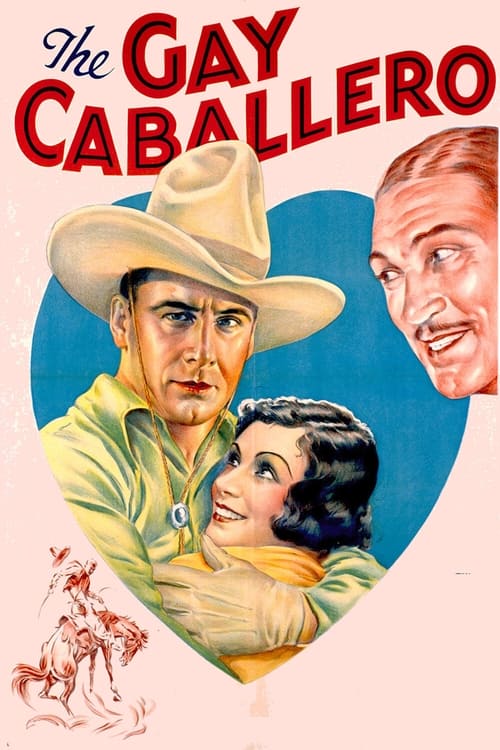
The Gay Caballero
1932
No user ratings available yet
Representation score: 2.2 out of 10
Representation Score
Minimal
1930
PassedDirector
Manuel París, William J. Scully, David Howard
Runtime
57 minutes
Average Rating
No ratings yetNew Showbiz Analysis
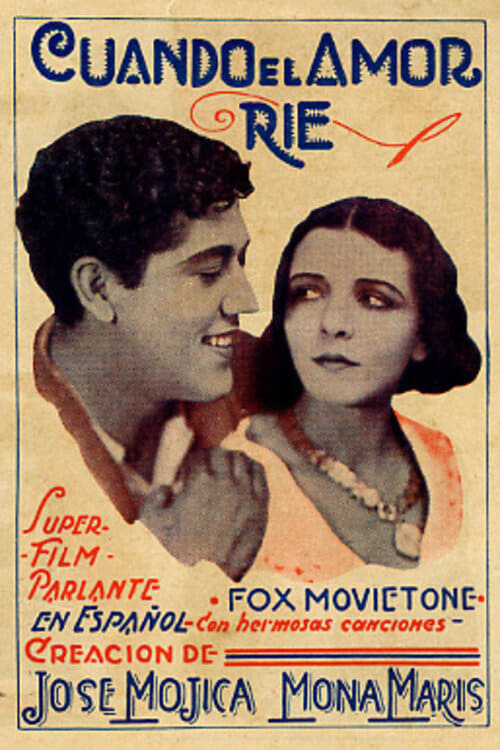
When Love Laughs is a traditional period piece reflecting the social constraints of 1930. It successfully provides a platform for Mexican cultural expression through its predominantly Mexican cast and setting. However, the film's narrative structure is deeply rooted in traditional gender hierarchies. The central theme of the male protagonist 'taming' both a wild horse and a woman reinforces outdated masculine dominance and romantic clichés. Ultimately, while the film offers meaningful ethnic representation, it does little to challenge the social or gendered expectations of its era, choosing instead to celebrate conventional regional social structures.
Category Breakdown
The film does not include any LGBTQ+ characters or explore non-cisgender identities. The story revolves around a traditional romance between a male and a female character.
The plot relies on traditional gender roles, particularly the 'Mexican spitfire' stereotype. The narrative portrays the female lead as needing to be 'tamed' by the male protagonist, reinforcing patriarchal hierarchies.
The film centers on Mexican culture through its predominantly Mexican cast and setting. José Mojica’s role as a singing vaquero highlights specific cultural expressions within the ranchero tradition.
The story upholds traditional social orders, such as the cantina and ranch life. It adheres to conventional lifestyle norms without offering any secular or anti-institutional commentary.
There are no visible or invisible disabilities depicted in the film. Disability is not used as a narrative device.
Present on Screen
Limited or Absent
Official Synopsis
José Mojica plays a singing vacquero who stops off in la cantina to have muchas cervezas with los muchachos. While José is all beered up, he boasts that he can tame the wild mare -- a horse no man can ride -- owned by local ranchero Don Alvarado (a stolid performance by Carlos Villarias). While he's in the neighbourhood, José also boasts that he can tame the Don's daughter, a Mexican spitfire played by Mona Maris.
1932
1935

1952
1930
1933
1946
1936
1946
No reviews yet. Be the first to share your thoughts on this movie!
Use the rating form above to leave a star rating and optional review.