Kvevri
1971
No user ratings available yet
Diversity score: 4.6 out of 10
1987
Director
Nana Jorjadze
Runtime
76 minutes
Average Rating
No ratings yetSynopsis
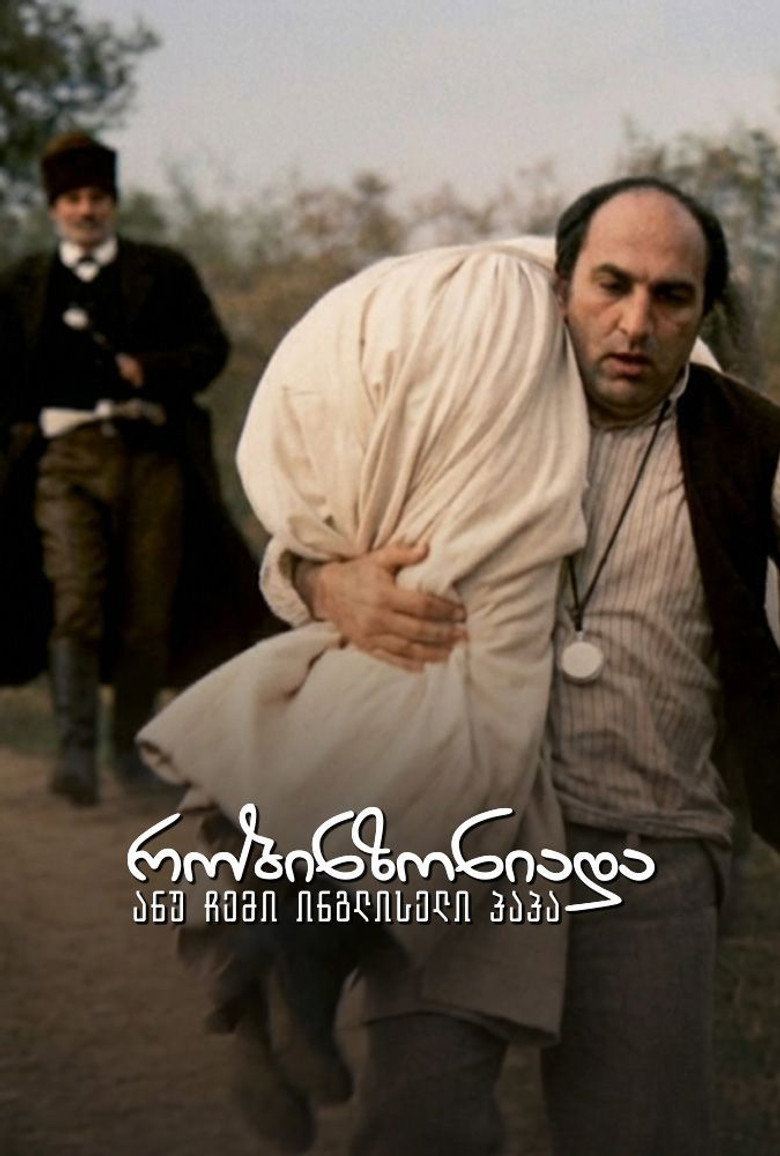
The film tells a strange story, in flashback, about a British Telegraph Company’s engineer named Hughes appearing in a distant Guria village. Falling in love with the beautiful Anna, the Englishman became the enemy of her brother, Bolshevik Nestor. Both Hughes and Nestor were shot dead by Lavrenty Mgeladze, who had once had everything, but later was dispossessed and driven out of the village. The old Anna told that story to a young composer who recorded the music: “My dear homeland, why are you weeping?…”
Overall Score
Fair
Category Breakdown
LGBTQ+ Representation
The film lacks any evidence of LGBTQ+ characters or non-cisnormative identities. The central romance follows a traditional heterosexual arc between Hughes and Anna.
Gender Representation
Narrative weight leans toward male-driven political and romantic conflicts. While Anna serves as a vital keeper of history, the film focuses heavily on the clashes between men.
Racial & Ethnic Diversity
The story disrupts local homogeneity by introducing a British engineer into a rural Georgian village. This creates a unique cultural collision between Western identity and Soviet-era regionalism.
Religious & Cultural Diversity
The film explores the friction between Western presence and local social structures. It uses tragic flashbacks and political upheaval to deconstruct traditional stability and social order.
Disability Representation
There is no verifiable evidence regarding the depiction of physical or neurodivergent disabilities within the narrative.
Strengths
Areas for Improvement
AI Analysis
Robinsonade, or My English Grandfather is a nuanced piece of late-Soviet Georgian cinema that uses a non-linear structure to explore fragmented memory. Its primary strength lies in its cultural intersectionality, placing a Western protagonist within a specific, isolated regional setting to highlight the friction between disparate identities. However, the film remains anchored in the historical constraints of its era. It lacks modern markers of identity politics, such as LGBTQ+ representation or significant subversion of gender hierarchies, focusing instead on male-driven political conflict and traditional romantic pairings. Ultimately, the film succeeds as a study of how systemic shifts, like Bolshevism, dismantle social units. It offers a more complex view of cultural collision than a standard period drama, even if its gender and disability depictions are limited.
1971
2012
2001

2010
1977
1998

1996
1954
1980
1993
2000
1980
No reviews yet. Be the first to share your thoughts on this movie!
Use the rating form above to leave a star rating and optional review.