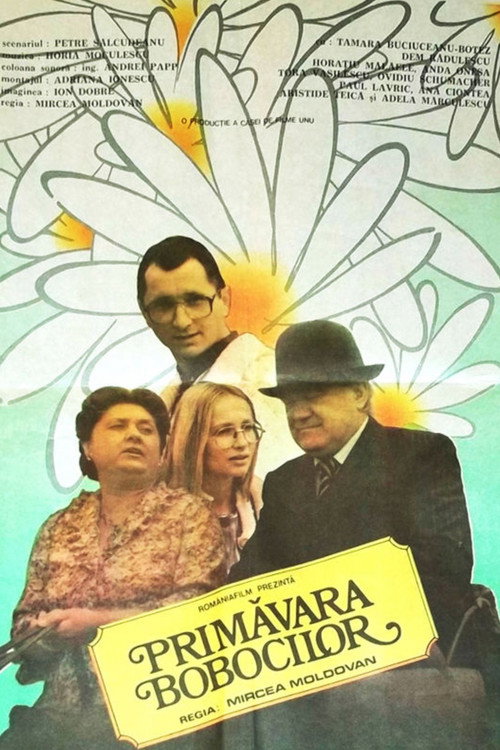
Spring of the Goslings
1987
No user ratings available yet
Representation score: 3.2 out of 10
Representation Score
Limited
1977
Director
Mircea Moldovan
Runtime
95 minutes
Average Rating
No ratings yetNew Showbiz Analysis
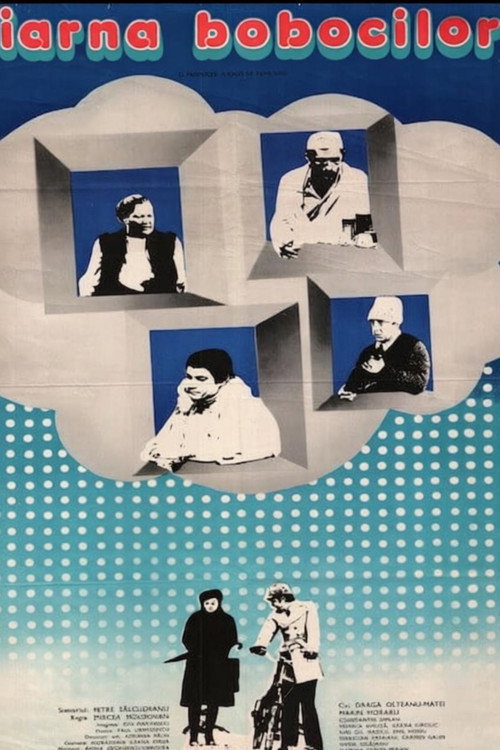
Winter of the Goslings primarily disrupts traditional gender power dynamics by centering the plot around men fleeing the authority of a female leader. This challenges the conventional rural social hierarchy. While the film provides a meaningful departure from traditional mid-century clichés regarding female leadership, it remains limited in other areas. The narrative lacks significant racial or LGBTQ+ diversity, focusing instead on local communal dynamics. The film's strength lies in its social commentary on labor and institutional management during a period of industrial transition in Romania.
Category Breakdown
The film does not include any characters or narratives related to LGBTQ+ identities or non-straight relationships.
The story challenges traditional gender roles by depicting Varvara as a strong female leader. This shifts the focus away from the typical male dominance in agricultural and domestic settings.
As a 1977 Romanian production, the film portrays a culturally uniform population. It does not show the diverse racial blending seen in more globally diverse contexts.
The narrative examines the tension between traditional farming and modern industrial collectivism. It uses the agricultural cooperative to comment on changes in social and labor structures.
There is no information about characters with physical or neurodivergent disabilities in the film.
Present on Screen
Limited or Absent
Official Synopsis
A strange phenomenon is taking place in the village of Viișoara: the men have disappeared! Because they couldn't stand the tyranny of Varvara, who runs the agricultural cooperative, they preferred to get a job in a factory, but things don't go according to plan there either...
1987
1967
1975
1967

1973
1972
1976
1963
No reviews yet. Be the first to share your thoughts on this movie!
Use the rating form above to leave a star rating and optional review.