Gambling Ship
1938
No user ratings available yet
Representation score: 0.9 out of 10
Representation Score
Minimal
1942
PassedDirector
Sam Newfield
Runtime
64 minutes
Average Rating
No ratings yetNew Showbiz Analysis
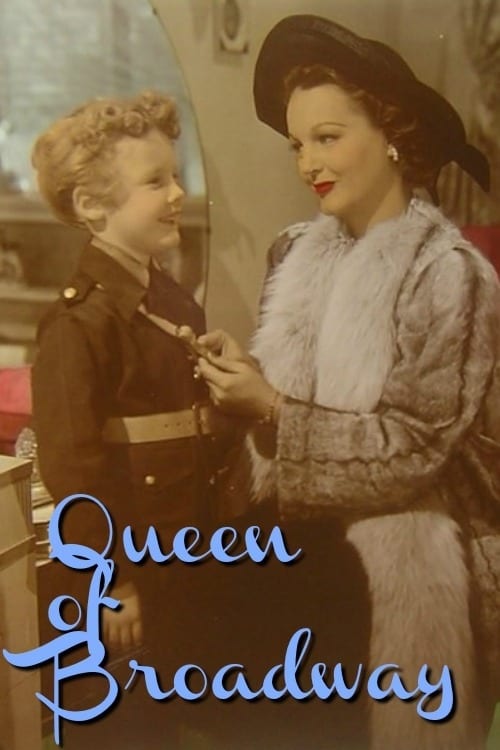
Queen of Broadway is a sentimental B-picture that adheres to the conventional moral structures of the 1940s studio system. The story follows a standard redemption arc where a gambler seeks moral realignment through domesticity and caretaking. The film reinforces traditional social hierarchies rather than challenging them. By centering the protagonist's journey on maternal instincts and the adoption of an orphan, the narrative prioritizes the restoration of domestic stability over any exploration of diverse identities. Ultimately, the work functions as a period drama that upholds established norms. It lacks representation of diverse racial, cultural, or LGBTQ+ perspectives, reflecting the era's restrictive social frameworks.
Category Breakdown
The film does not include any characters with non-binary or LGBTQ+ identities. It follows the assumption that everyone is straight and cisgender.
Rochelle Hudson's character drives the plot, but her role is tied to traditional feminine traits. Her redemption is defined by her maternal responsibilities and domestic stability.
The production does not indicate a non-white or non-Anglo-Saxon cast. It reflects the homogeneous casting norms typical of 1940s B-pictures.
The narrative emphasizes traditional Western values regarding family and social reintegration. It focuses on restoring social order through conventional morality.
There is no information available regarding the inclusion of characters with visible or invisible disabilities.
Present on Screen
Limited or Absent
Official Synopsis
There are no queens and very little Broadway (except for an opening establishing shot) in Queen of Broadway. Instead, this sentimental B-picture is the story of a gambler (Rochelle Hudson), who tries to clean up her act and adopt an orphan (Donald Mayo).
1938

1933

1932
1939
1933
1933

1935
1939
No reviews yet. Be the first to share your thoughts on this movie!
Use the rating form above to leave a star rating and optional review.