Carpenters
1896
No user ratings available yet
Representation score: 1.1 out of 10
Representation Score
Minimal
1897
Director
Louis Lumière
Runtime
1 minutes
Average Rating
No ratings yetNew Showbiz Analysis
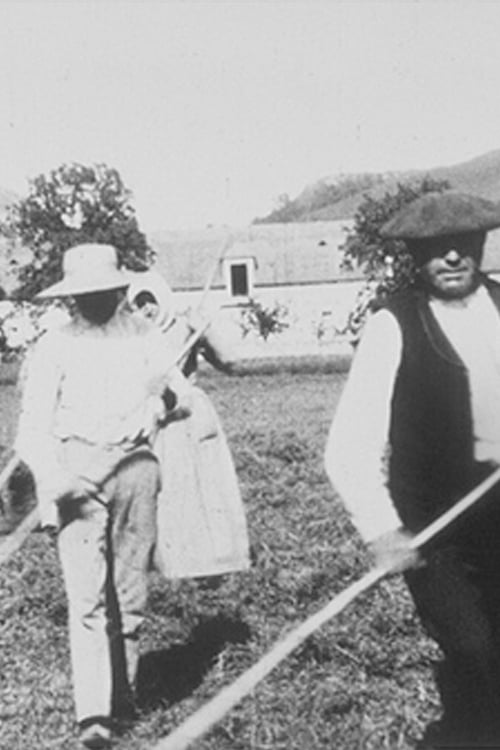
Louis Lumière’s *Tedders* is an early ethnographic film focusing on the mechanics of manual labor. As an early 'actualité,' it emphasizes naturalistic movement and observational realism over scripted narratives or social commentary. Since the film lacks character development, dialogue, or structured themes, it cannot engage with contemporary ideas of overlapping identities. Its representation is purely functional, reflecting the socioeconomic realities of 1897. Ultimately, the film captures a specific moment of pre-modern labor without attempting to explore the complexities of human identity.
Category Breakdown
The film does not include any LGBTQ+ characters or explore non-straight identities. Given its focus on manual labor, it does not have the narrative structure to delve into sexual identity.
It shows people doing agricultural work in the 19th century. The footage captures the physical reality of the time without challenging traditional gender roles or social norms.
The subjects in the film represent the local working population. There is no indication of intentional casting or the use of racial metaphors in this historical documentary.
This film documents traditional agrarian life. It does not address themes of secularism or the dismantling of Western institutions.
There is no mention of characters with physical or neurodivergent conditions. No individuals with disabilities are noted in the provided context.
Present on Screen
Limited or Absent
Official Synopsis
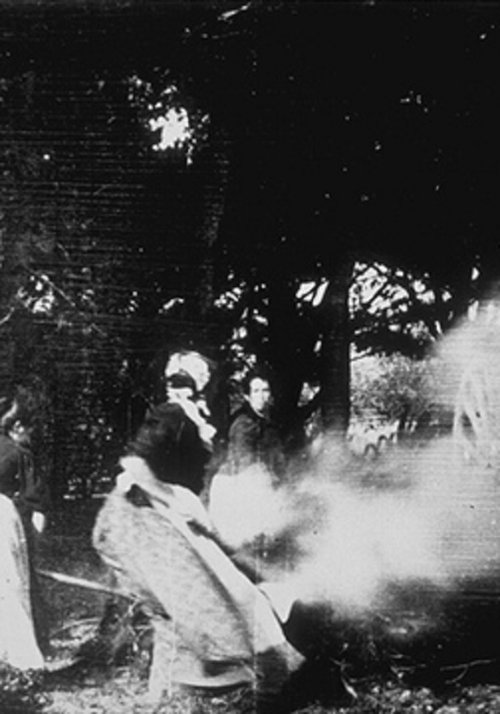
People raking a field.
1896
1896

1896
1897
1899
1897

1896

1897
No reviews yet. Be the first to share your thoughts on this movie!
Use the rating form above to leave a star rating and optional review.