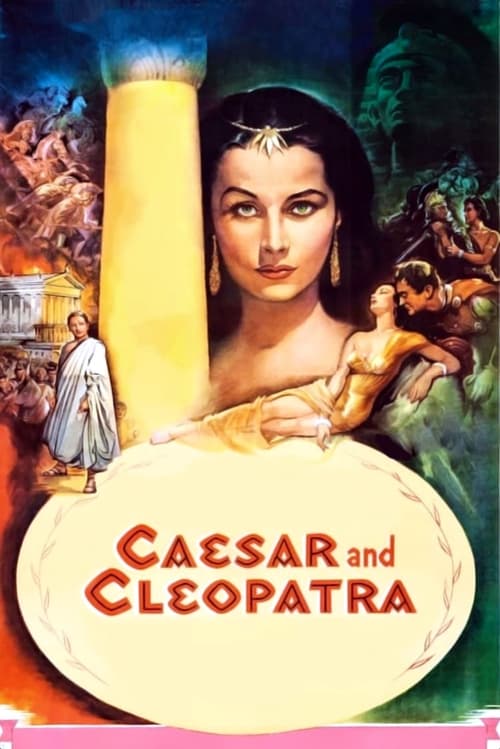
Caesar and Cleopatra
1945
No user ratings available yet
Representation score: 2.9 out of 10
Representation Score
Limited
1953
Director
Sacha Guitry
Runtime
167 minutes
Average Rating
No ratings yetNew Showbiz Analysis
Sacha Guitry’s film is a traditional period piece that focuses on historical romanticism and classic storytelling. It serves more as an examination of historical social dynamics than a modern, inclusive narrative. While the film lacks diversity in terms of race, gender, and disability, it offers a nuanced depiction of women’s roles within a patriarchal system. The portrayal of royal mistresses provides a somewhat subversive take on the traditionally submissive female figure. Overall, the work remains anchored in the traditional hierarchies of the French monarchy, emphasizing the interpersonal power dynamics of the 18th-century aristocracy.
Category Breakdown
The film adheres to traditional romantic paradigms of the 18th-century court. The narrative focuses on straight-centered structures and political intrigues between kings and their female mistresses.
The film features strong female characters who wield considerable influence in a patriarchal society. These women actively navigate the complex courtly environment rather than being passive recipients of royal decrees.
The cast is primarily composed of white and European actors, reflecting the historical context of the time. There is no indication of diverse ethnic backgrounds or efforts to diversify the cast beyond the traditional European setting.
The storyline emphasizes the secular aspects of courtly life and etiquette over religious doctrine. Traditional Western aristocratic structures are highlighted as the central elements of the narrative.
The film does not include any characters with visible or invisible disabilities. The characters operate within the typical physical and cognitive standards expected in period dramas.
Present on Screen
Limited or Absent
Official Synopsis
Witty narration follows the history of Versailles Palace; founded by Louis XIII, enlarged by autocratic Louis XIV, whose personal affairs and amours, and those of his two successors, are pursued in more detail to the start of the Revolution, after which the story is brought rapidly up to date.
1945
1934
1956
1955
2008
1996
1956
2000
No reviews yet. Be the first to share your thoughts on this movie!
Use the rating form above to leave a star rating and optional review.