St. Louis Blues
1929
No user ratings available yet
Representation score: 4.5 out of 10
Representation Score
Fair
1929
ApprovedDirector
King Vidor
Runtime
100 minutes
Average Rating
No ratings yetNew Showbiz Analysis
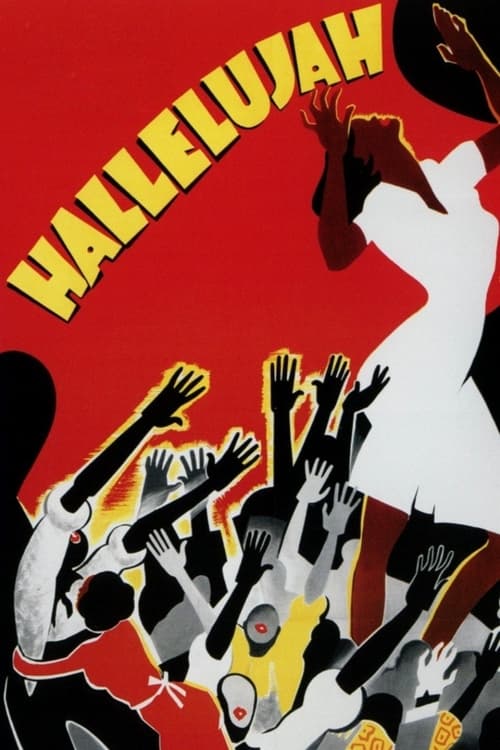
Hallelujah stands as a pioneering film in inclusive cinema, particularly due to its bold choice to feature an all-Black cast during the late 1920s. By focusing on Black ability to act and the complexities of life in the Jim Crow South, the film actively challenges the homogeneous casting practices of its time. The film uses interracial romance and religious life to confront the corrupt social codes of the American South. It portrays systemic racism as a destructive force, providing a sophisticated critique of the era's institutionalized injustices. While the film is a historical outlier for its progressive racial representation, it remains limited by the social realities of 1929. It lacks LGBTQ+ narratives and significant disability representation, focusing instead on the intersection of race, gender, and social hierarchy.
Category Breakdown
The film does not include any LGBTQ+ characters or narratives. The romantic storyline focuses solely on the central interracial relationship.
Bessie's vulnerability within a strict social hierarchy drives the emotional tension. The film avoids superficial femininity by emphasizing the female experience.
This groundbreaking production features an all-Black cast to challenge the era's standard of predominantly white casts. It highlights Black ability to act and the social taboos of the Jim Crow South.
The narrative critiques the oppressive Southern social and legal systems. It offers a nuanced view of Black religious life and community-building.
There is no evidence of characters with visible or invisible disabilities serving as central plot devices.
Present on Screen
Limited or Absent
Official Synopsis
A black laborer turns preacher after accidentally killing a man.
1929
1928

1929

1927
1929
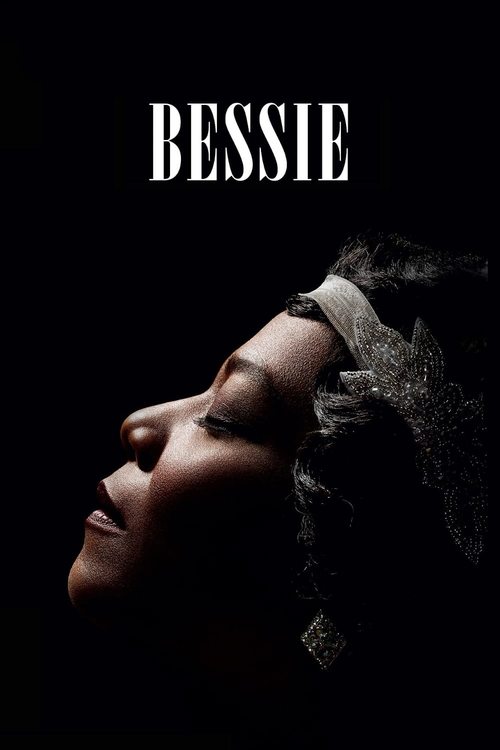
2015

1951

1953
No reviews yet. Be the first to share your thoughts on this movie!
Use the rating form above to leave a star rating and optional review.