Nobody's Business
1926
No user ratings available yet
Representation score: 0.5 out of 10
Representation Score
Minimal
1926
Director
Norman Taurog
Runtime
21 minutes
Average Rating
No ratings yetNew Showbiz Analysis
Move Along is a product of its time, emphasizing slapstick entertainment and gag-filled sequences over social or identity-based exploration. The narrative follows the conventional comedic patterns of the 1920s, focusing on a protagonist's struggle with poverty and housing. The film lacks representation of LGBTQ+ identities and shows little evidence of racial or ethnic diversity, reflecting the era's standard casting practices. Gender roles appear to follow traditional hierarchies common to silent-era comedies. While the film touches on economic hardship, it treats these struggles as comedic set pieces rather than meaningful social commentary. It functions as a traditional period piece without attempting to disrupt established social norms.
Category Breakdown
The film does not include any representation of LGBTQ+ identities or same-sex relationships. It sticks closely to the comedic traditions of the 1920s.
The comedy likely reinforces traditional gender roles through physical humor. Women do not hold positions of intellectual or structural authority in the film.
The production reflects the homogeneous casting standards of the early Hollywood studio system. There is no indication of racial or ethnic diversity.
The story addresses socioeconomic instability and homelessness but treats these issues as comedic elements rather than a critique of systemic problems.
There is no evidence of characters with physical or neurodivergent disabilities in this work.
Present on Screen
Limited or Absent
Official Synopsis
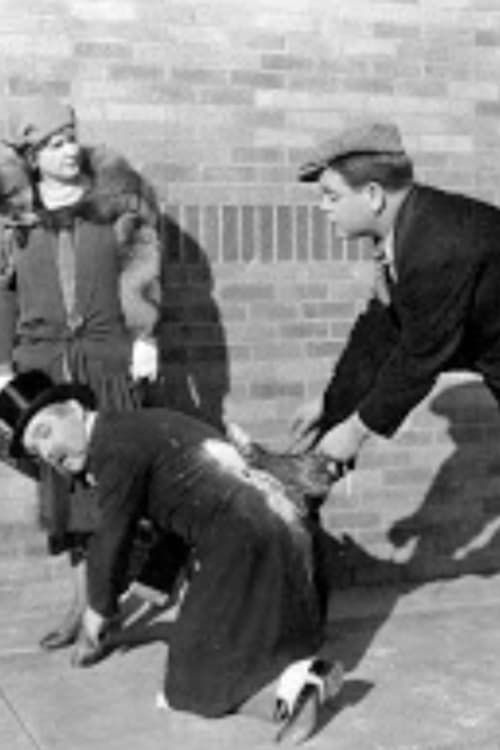
Dreamy little comedy as down-on-his-luck Ham looks for work, gets thrown out of his rooming house and tries to make it on the street -- in the best, gag-filled 20s comedy style.
1926
1926
1930

1928
1925

1929

1924
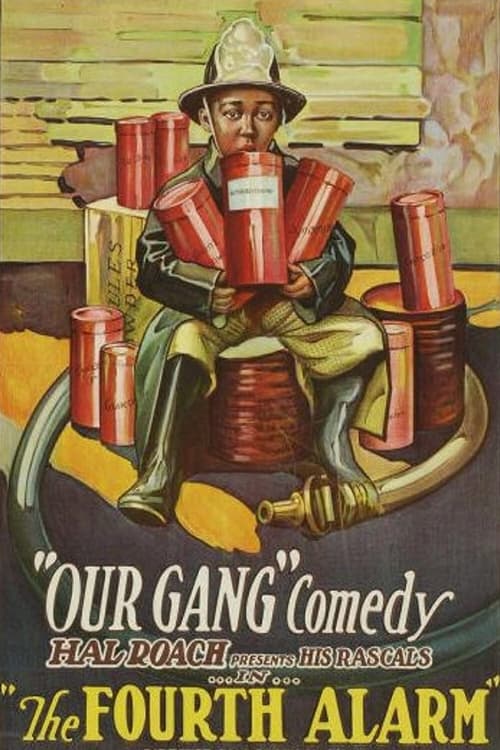
1926
No reviews yet. Be the first to share your thoughts on this movie!
Use the rating form above to leave a star rating and optional review.