
La calandria
1972
No user ratings available yet
Representation score: 2.9 out of 10
Representation Score
Fair
1965
Director
Alberto Lattuada
Runtime
97 minutes
Average Rating
No ratings yetNew Showbiz Analysis
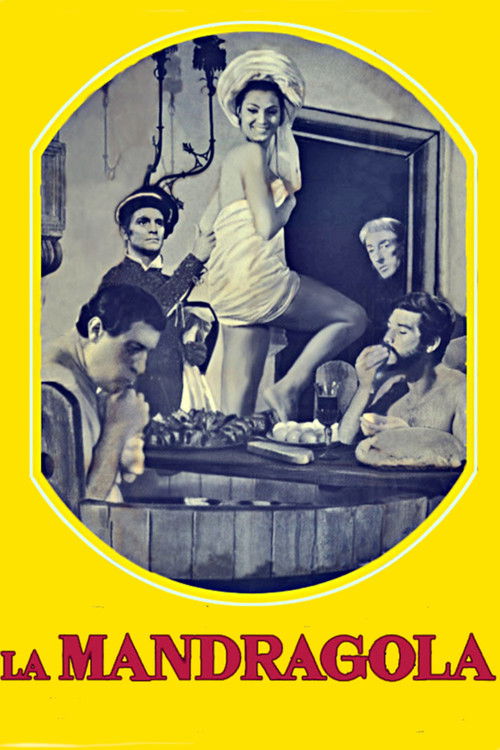
The Mandrake (1965) serves as a sharp satirical critique of social mores and domestic stability. By adapting Machiavelli, Lattuada deconstructs traditional hierarchies and the hypocrisy of established institutions through a lens of calculated deception. While the film lacks modern diversity in terms of racial and LGBTQ+ representation, it offers significant intellectual depth. It prioritizes individual empowerment and the subversion of traditional morality over religious or communal structures. Ultimately, the film's strength lies in its progressive deconstruction of Western social norms, even if its demographic representation remains rooted in its mid-century European setting.
Category Breakdown
The film focuses on deception that assumes everyone is straight or cisgender. While the source material hints at flexible desires, it doesn't explicitly depict diverse sexual orientations or gender identities.
The narrative challenges traditional power structures by highlighting the role of an infertile wife. She becomes a central figure in a complex power struggle involving intelligence and manipulation.
Set in a historical European context, the casting reflects the demographic realities of 1965 Italy. The film adheres to the period-specific homogeneity of its source material.
The film excels at critiquing Western institutions like marriage and family. It uses Machiavellian themes to promote moral relativism and situational ethics over communal morality.
There is no evidence of characters with visible or invisible disabilities serving as central plot drivers or subjects of mockery.
Present on Screen
Limited or Absent
Official Synopsis
A young man hatches a plan to sleep with another man's infertile wife. Based on the play by Machiavelli.
1972
1973
1976
1961

1966
1963
1968

1967
No reviews yet. Be the first to share your thoughts on this movie!
Use the rating form above to leave a star rating and optional review.