
Wake up, you sucker...
1969
No user ratings available yet
Representation score: 2.9 out of 10

Representation Score
Minimal
1966
Director
Errikos Thalassinos
Runtime
90 minutes
Average Rating
No ratings yetNew Showbiz Analysis
Papatrechas operates within the social and cultural constraints of 1960s Greece. The narrative prioritizes traditional family structures and conventional social hierarchies over progressive disruptions. The film reinforces mid-century norms regarding gender roles and domesticity. The protagonist's primary goal is to facilitate weddings for his female relatives, which centers male control and reinforces traditional hierarchies. Overall, the work lacks diverse representation or storytelling that reflects multiple aspects of identity, focusing instead on the demographic homogeneity and cultural specificities of mid-century Athens.
Category Breakdown
The film focuses on traditional heterosexual milestones, such as marriage. There is no evidence of non-binary gender identities or critiques of traditional domestic structures.
The story centers around a male protagonist who manages the marital prospects of his female relatives. Women's roles are defined by their relationships to him and societal marriage norms.
Set in 1960s Athens, the film reflects the demographic homogeneity of the time. The narrative focuses on local, culturally specific social dynamics without multi-ethnic representation.
The premise is rooted in Mediterranean social institutions, emphasizing family units and marriage. It promotes traditional family values and social cohesion without critiquing these institutions.
The film provides no information regarding the depiction of physical or neurodivergent characters.
Present on Screen
Limited or Absent
Official Synopsis
Polydoros Lagos is a janitor in an ordinary Athens' block in the 1960s who's struggling to serve as many of the building's residents as possible in order to save some money to help his six sisters (and his aunt) get married, since this is the only way he can finally get married too.
1969

1978
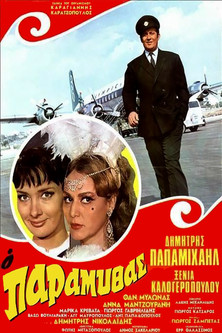
1969

1977
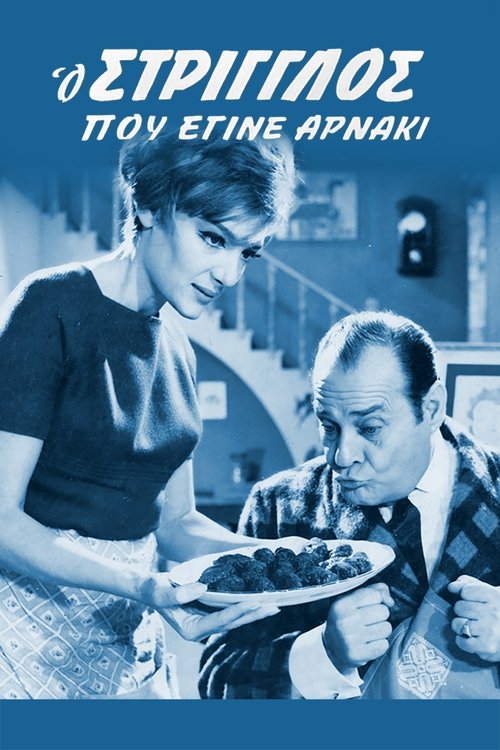
1968

1983
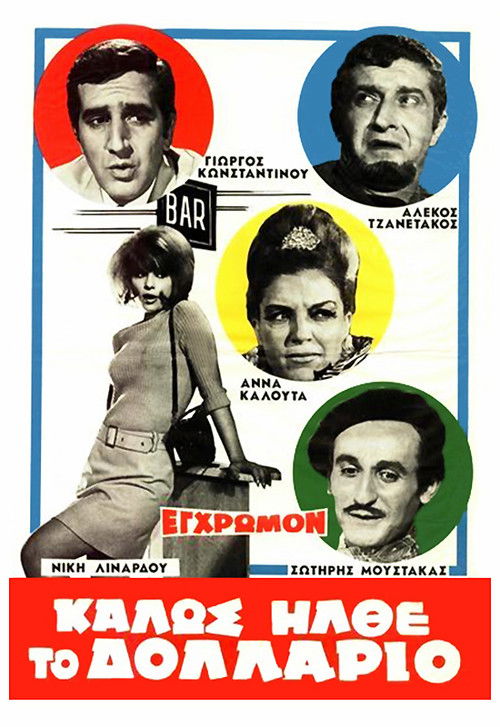
1967
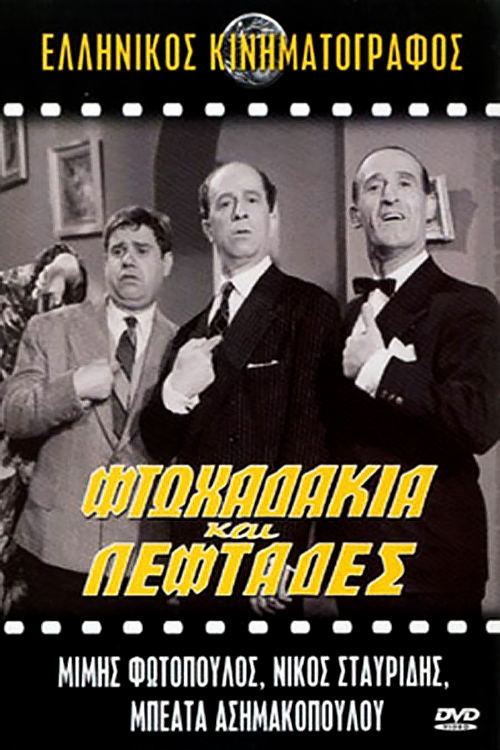
1961
No reviews yet. Be the first to share your thoughts on this movie!
Use the rating form above to leave a star rating and optional review.