The Mechanical Cow
1927
No user ratings available yet
Representation score: 0.4 out of 10
Representation Score
Minimal
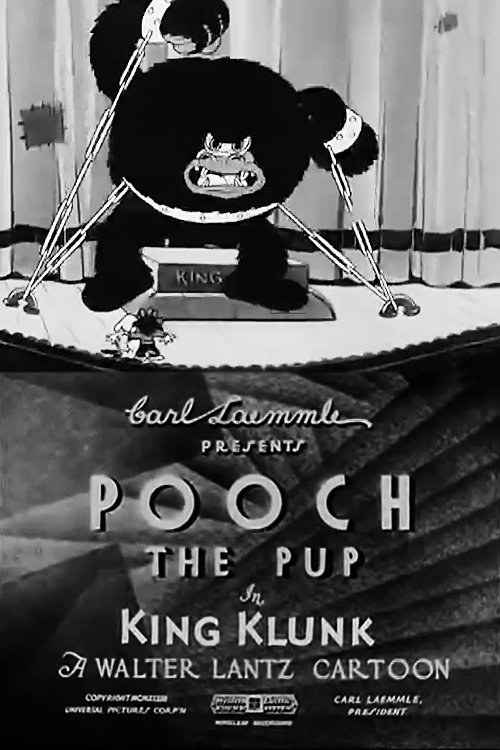
1933
NRDirector
Walter Lantz
Runtime
9 minutes
Average Rating
No ratings yetNew Showbiz Analysis
King Klunk is a typical example of 1930s slapstick animation, focusing on physical comedy rather than social issues. The narrative structure depends heavily on established formulas, especially concerning gender and race. The film upholds traditional roles, depicting female characters as catalysts for male actions and using caricatured indigenous groups to create an exotic setting. These elements reflect the colonial-era viewpoints common in early American animation. Overall, the film serves as a conventional adventure short that entertains through spectacle, lacking in character depth or cultural nuance.
Category Breakdown
The film follows traditional heterosexual romance themes. It uses a love-at-first-sight storyline to develop a romantic relationship between the ape and a female character.
Female characters mainly serve as objects of desire or damsels in distress. One female character shows physical strength but has less influence on the story compared to the male leads.
The Hot-Cha tribe is portrayed as an exoticized indigenous group without a specific name. The film relies on stereotypical representations rather than a detailed cultural depiction.
The story emphasizes Western hierarchies by using the exotic ape for urban entertainment. It fails to explore or challenge Western cultural perspectives.
No characters have visible or hidden disabilities. Physical humor centers on size and clumsiness without representing any disabilities.
Present on Screen
Limited or Absent
Official Synopsis
Pooch the Pup takes his girlfriend and an anthropomorphic camera to the jungle in search of the giant ape, King Klunk. They arrive just as the Hot-Cha tribe is offering one of their own girls to the ape as a sacrifice. King Klunk tries to bite down on her head, but even his enormous fangs can't make a dent in her hard skull. His attention turns to Pete the Pup's girl, whom he snatches up in his huge hand. The ape doesn't know what to make of her until Cupid hits him with an arrow. Suddenly, King Klunk is in love. He even battles a dinosaur to prevent her from getting devoured. During the fight, Pooch takes the opportunity to rescue her. After winning his battle, the ape takes after the fleeing pair, but they defeat him by cracking a giant egg over his head. Soon, Pooch and his girl are exhibiting the giant ape in a big-city theater. Mischievous Cupid reappears to reignite the ape's passion for the girl.
1927

1930
1932
1933
1933
1926
1932
1931
No reviews yet. Be the first to share your thoughts on this movie!
Use the rating form above to leave a star rating and optional review.