
Forbidden Women
1948
No user ratings available yet
Diversity score: 3.8 out of 10

1927
Runtime
13 minutes
Average Rating
No ratings yetSynopsis
A woman searching Africa for her long-lost husband stumbles across a lost civilization in the jungles consisting mainly of nude and semi-nude women (which probably explains why her husband has stayed lost for such a long time).
Overall Score
Limited
Category Breakdown
LGBTQ+ Representation
The film lacks any evidence of non-cisnormative identities or same-sex intimacy. The plot centers on a heteronormative rivalry between a wife and a female antagonist over a man.
Gender Representation
Alva demonstrates agency by traveling to Africa, yet her motivation remains tied to reclaiming her husband. The conflict reinforces traditional marital structures and Western standards of femininity.
Racial & Ethnic Diversity
The narrative relies on colonialist tropes, framing the African character Loma as an exoticized 'other.' This positioning uses 'primitive' stereotypes to contrast against Western civilization.
Religious & Cultural Diversity
The story upholds Western-centric values and the preservation of the nuclear family. It lacks systemic critique, focusing instead on asserting social superiority to restore domestic stability.
Disability Representation
There is no mention of characters with visible or invisible disabilities within the narrative.
Strengths
Areas for Improvement
AI Analysis
Forbidden Daughters is a product of its 1927 era, heavily reliant on the colonialist and traditionalist frameworks common to early silent adventure cinema. The film uses racial and gendered tropes to drive a plot centered on the restoration of a Western domestic structure. While the female lead possesses physical agency, her purpose is strictly defined by her relationship to a man. This limits the film's complexity, as it prioritizes traditional hierarchies over any meaningful subversion of social roles.
1948

1956
1979
1968

1947
1953
1938

1955
1949
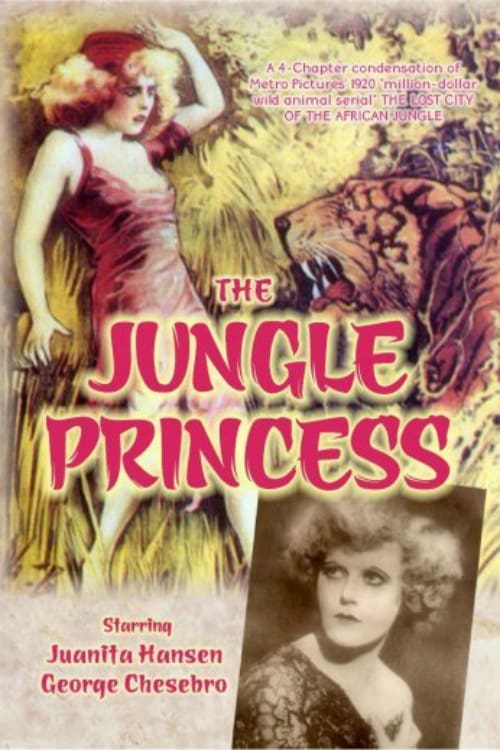
1920

1951
1950
No reviews yet. Be the first to share your thoughts on this movie!
Use the rating form above to leave a star rating and optional review.