Calling All Husbands
1940
No user ratings available yet
Representation score: 1.3 out of 10
Representation Score
Minimal
1941
PassedDirector
Charles E. Roberts
Runtime
65 minutes
Average Rating
No ratings yetNew Showbiz Analysis
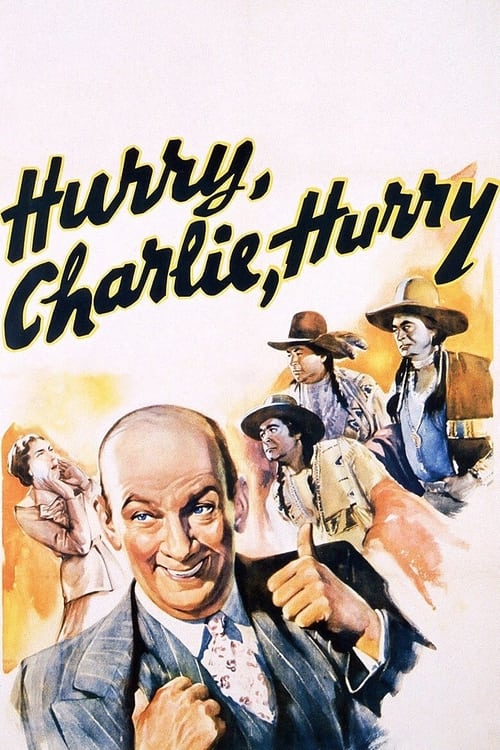
Hurry, Charlie, Hurry is a product of its time, adhering strictly to the comedic conventions of the early 1940s. The plot centers on a domestic struggle between a banker and his wife, utilizing well-worn archetypes rather than nuanced character development. The film lacks intentionality in disrupting social hierarchies. Instead, it reinforces the homogeneous demographic norms and traditional Western social structures prevalent in mainstream cinema of that period. Overall, the production offers a conventional look at mid-century domestic life, providing little in the way of diverse representation or systemic subversion.
Category Breakdown
The film does not include any non-traditional gender identities or stories that challenge the assumption that everyone is straight or cisgender. It focuses on traditional marital conflicts typical of the era.
The story relies on established comedic archetypes, featuring a meek banker and a nagging wife. While the wife has a vocal presence, it follows standard period clichés.
The narrative centers on a singular, middle-class marital unit. There is no evidence of a diverse cast or non-Anglo-Saxon characters.
The film reinforces traditional Western social structures like the nuclear family. It lacks any critique of capitalism, religion, or major Western institutions.
There is no mention of characters with visible or invisible disabilities in the narrative.
Present on Screen
Limited or Absent
Official Synopsis
In this comedy, the marital conflicts between a meek banker and his nagging wife are chronicled.
1940
1939
1947

1942
1941
1949
1942
1940
No reviews yet. Be the first to share your thoughts on this movie!
Use the rating form above to leave a star rating and optional review.