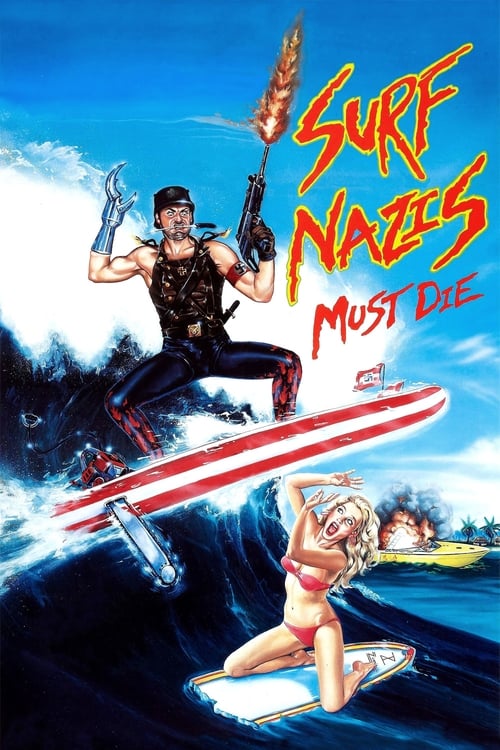
Surf Nazis Must Die
1987
No user ratings available yet
Diversity score: 5.6 out of 10
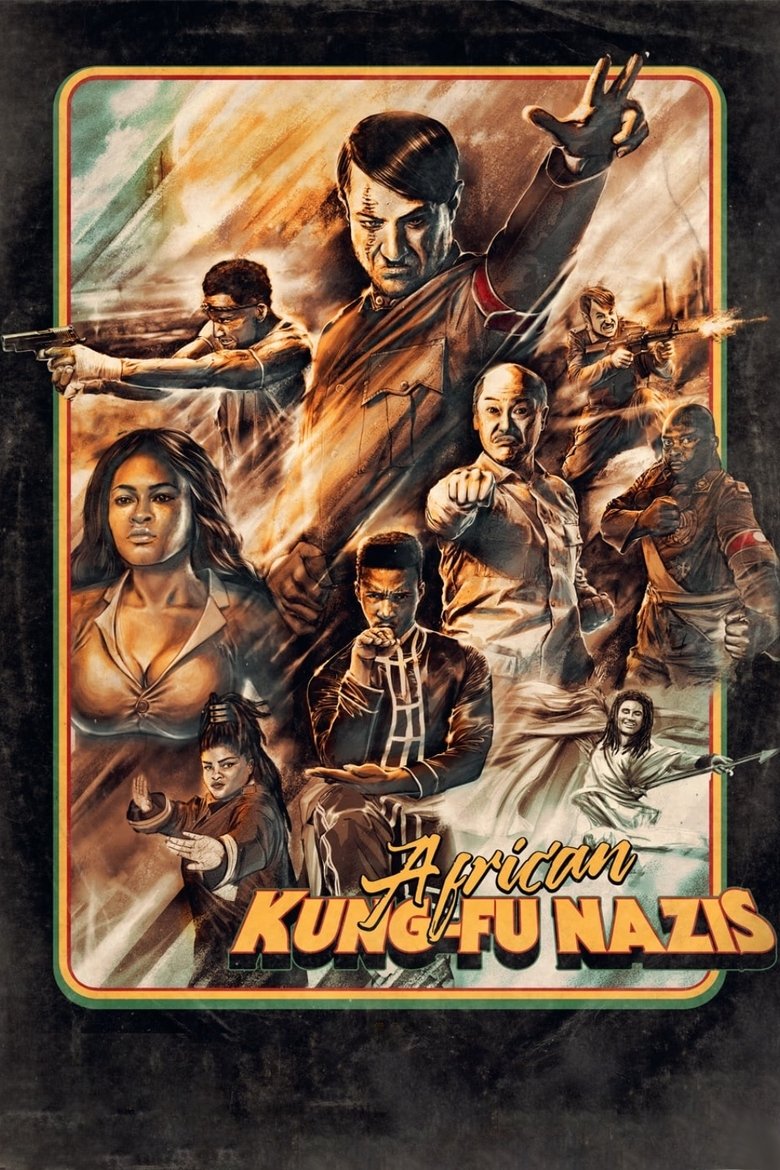
2019
Director
Samuel K. Nkansah, Sebastian Stein
Runtime
84 minutes
Average Rating
No ratings yetSynopsis
Unlike what history books tell us, Adolf Hitler did not commit suicide in his bunker, but instead fled to the African continent in his submarine. Teaming up with his new right hand, infamous Japanese military leader Hideki Tojo and the brutal Horse-Man Göring, he plans on conquering the world once again - starting in Ghana. With the might of his loyal (although brainwashed) Ghan-Aryans and his superhuman Karate-Powers, Hitler destroys the African Kung-Fu school of the shadow snake, killing its leader. Grieving for his master, Kung-Fu disciple Addae seeks revenge by participating in Hitler's martial arts tournament. Will he find the strength of body and mind to defeat the evil dictator?
Overall Score
Good
Category Breakdown
LGBTQ+ Representation
The film lacks any discernible LGBTQ+ characters or narratives addressing non-cisnormative identities. The plot focuses entirely on martial arts tropes and historical antagonist confrontations.
Gender Representation
The story centers on a traditional masculine hero's journey through Addae's quest for vengeance. While it subverts patriarchal historical reverence, it relies heavily on conventional masculine archetypes.
Racial & Ethnic Diversity
The narrative disrupts Eurocentric tropes by repositioning the global conflict center to Ghana. It empowers African protagonists and non-Western martial arts traditions as the primary vehicles for resistance.
Religious & Cultural Diversity
The film engages in anti-colonial critique by framing historical Axis figures as absurd antagonists in an African setting. It prioritizes post-colonial perspectives over traditional Western historical canons.
Disability Representation
There is no information regarding characters with physical, sensory, or neurodivergent disabilities. The narrative does not address disability representation.
Strengths
Areas for Improvement
AI Analysis
African Kung-Fu Nazis uses surrealist historical revisionism to challenge Western-centric narratives. By relocating the site of agency to Ghana, the film empowers non-Western identities against historical Axis powers. However, the film leans into traditional action tropes. The character dynamics focus on a masculine revenge arc, and there is a notable absence of LGBTQ+ or disability representation. Ultimately, the film's strength is its systemic deconstruction of historical hierarchies, even if its character archetypes remain somewhat conventional.
1987

2011

2001
1977
No reviews yet. Be the first to share your thoughts on this movie!
Use the rating form above to leave a star rating and optional review.