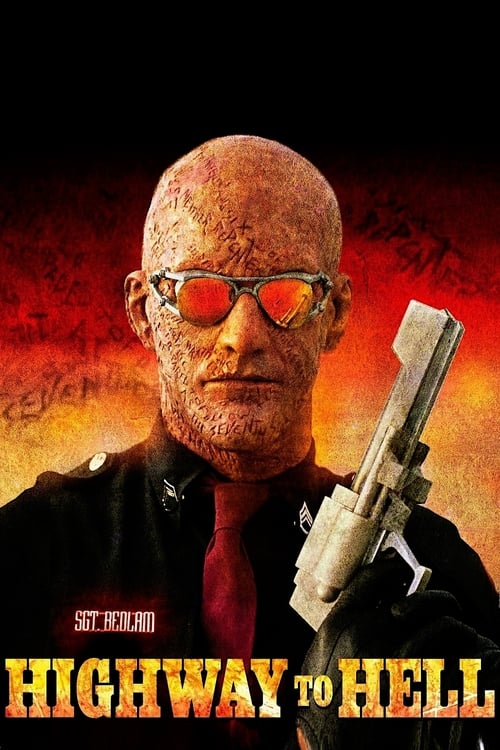
Highway to Hell
1991
No user ratings available yet
Diversity score: 3.8 out of 10
1977
RDirector
Cliff Roquemore
Runtime
99 minutes
Average Rating
No ratings yetSynopsis
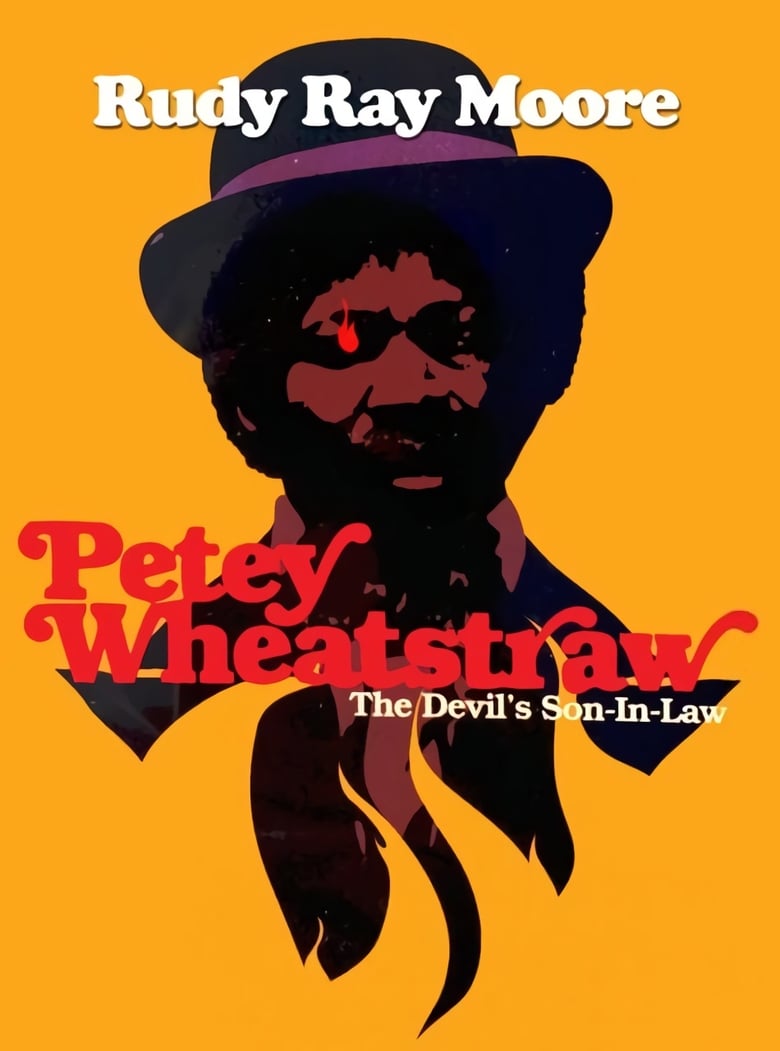
Petey Wheatstraw is a candidate to become the devil's son-in-law. The storyline is a scaffolding on which Rudy Ray Moore's standup humor can be unfolded. Beginning life as the afterbirth to a watermelon, the young Wheatstraw becomes a martial artist, but is unable to best the evil comedy team of Leroy and Skillet, who also indulge in wholesale murder. Satan restores the comedians' victims to life, and charges Petey with the task of marrying his clock-stoppingly ugly daughter to give him a grandchild. When Petey attempts to default on the deal, he is pursued by the devil's henchmen.
Overall Score
Fair
Category Breakdown
LGBTQ+ Representation
The film lacks explicit evidence of LGBTQ+ characters or non-heteronormative identities. The plot centers on a marriage arrangement between the protagonist and a supernatural entity's daughter.
Gender Representation
Female characters appear to function primarily as plot catalysts rather than autonomous agents. The narrative utilizes traditional tropes, such as the 'damsel' archetype, within its fantasy framework.
Racial & Ethnic Diversity
The film demonstrates high racial agency by centering a Black protagonist and utilizing Rudy Ray Moore’s specific comedic vernacular. It disrupts Eurocentric genre archetypes through its casting and thematic focus.
Religious & Cultural Diversity
The narrative deconstructs singular religious morality by framing the conflict within an infernal setting. It prioritizes comedic rebellion and surrealist elements over traditional Western moral structures.
Disability Representation
There is no discernible mention of characters with visible or invisible disabilities within the narrative.
Strengths
Areas for Improvement
AI Analysis
Petey Wheatstraw is a distinct piece of independent Black cinema that prioritizes cultural agency and comedic subversion. By utilizing Rudy Ray Moore’s persona as the narrative's foundation, the film moves away from the Eurocentric norms typically found in 1970s fantasy and horror. However, the film's diversity is uneven. While it excels in racial representation and the subversion of traditional genre tropes, it relies on conventional gendered archetypes. The lack of representation for LGBTQ+ and disabled characters further moderates the overall score. Ultimately, the film serves as a vehicle for community-specific storytelling, favoring a Black comedic perspective over mainstream Hollywood structures.
No reviews yet. Be the first to share your thoughts on this movie!
Use the rating form above to leave a star rating and optional review.