Blood Shot
2013
No user ratings available yet
Representation score: 1.7 out of 10
Representation Score
Limited
2011
Not RatedDirector
Adam Brooks, Jeremy Gillespie, Matthew Kennedy, Steven Kostanski, Conor Sweeney
Runtime
99 minutes
Average Rating
No ratings yetNew Showbiz Analysis
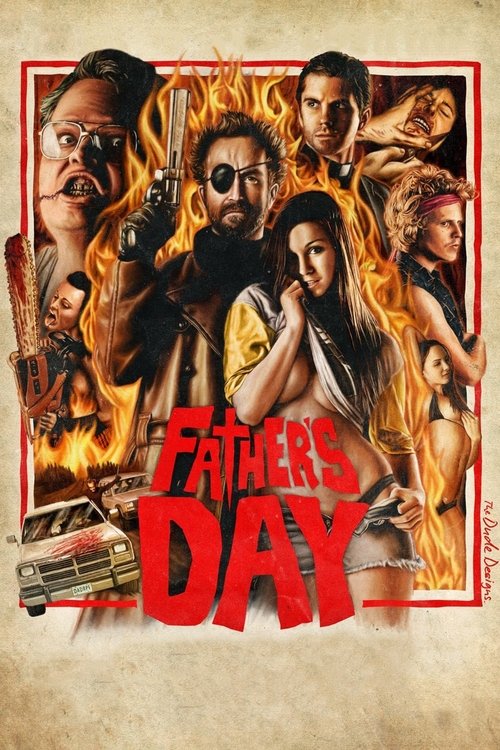
Father's Day is a transgressive genre piece that prioritizes shock and violence over social depth. While it includes non-straight characters and critiques religious and legal institutions, these elements function as stylistic genre tools rather than intentional progressive representation. The film relies heavily on masculine archetypes and a cycle of paternal retribution. This focus limits the ability to act of female characters and keeps the narrative within a narrow, homogeneous framework. Ultimately, the film lacks the multi-layered complexity needed for a higher score, as its deviations from social norms appear driven by horror clichés rather than a deliberate architecture of diversity.
Category Breakdown
The film includes a character named Twink, who is a street hustler, introducing a non-straight identity. However, Twink seems to serve more as a gritty genre character rather than a deeply explored individual.
The story revolves around masculine figures like the vengeful Ahab and the predatory Fuchman. Female characters, such as Chelsea, play secondary roles in the male-dominated cycle of violence.
The film lacks evidence of a diverse or non-Anglo-Saxon cast. The narrative operates within a homogeneous framework typical of low-budget independent genre cinema.
The plot critiques institutional failures through a religious figure and a failing legal system. These elements serve as catalysts for a revenge plot rather than deeper social critiques.
There is no discernible evidence regarding the portrayal of physical or neurodivergent disabilities within the film.
Present on Screen
Limited or Absent
Official Synopsis
Ahab, a man obsessed with exacting a brutal, violent revenge on the man who murdered his dad, joins John, an eager priest, and Twink, a hot-headed street hustler, on an epic quest to find and defeat this mythical monster known as Chris Fuchman AKA The Father's Day Killer.
2013
2011
2011
1982
2010

2010
2011
2021
No reviews yet. Be the first to share your thoughts on this movie!
Use the rating form above to leave a star rating and optional review.