On the Waterfront
1954
No user ratings available yet
Representation score: 3.1 out of 10
Representation Score
Fair
1978
PGDirector
Norman Jewison
Runtime
145 minutes
Average Rating
No ratings yetNew Showbiz Analysis
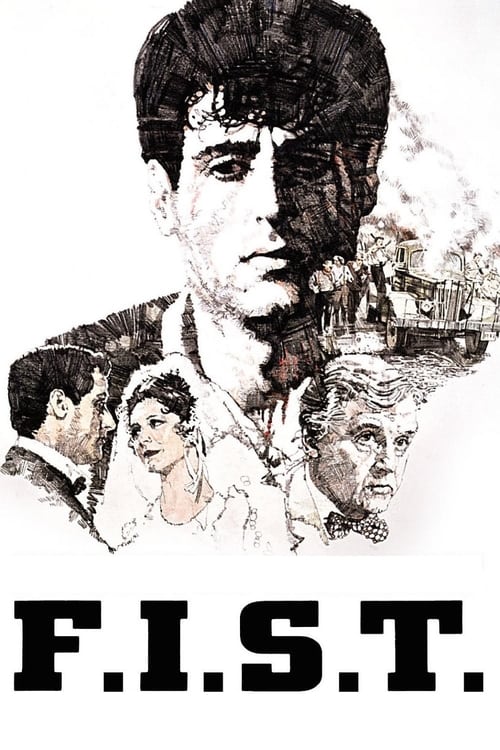
F.I.S.T. is a gritty exploration of labor politics and the corruption inherent in industrial dominance. It succeeds as a structural critique of capitalism, using the rise of a union leader to deconstruct power dynamics and economic inequality. However, the film lacks representation for LGBTQ+ identities and non-assuming gender matches what was assigned at birth narratives. The narrative is heavily centered on masculine-coded spheres, leaving female characters in the periphery and offering no representation for disabled identities. While the film captures the socioeconomic tension of the 1930s, its focus remains on class identity rather than the specific lived experiences of diverse racial or ethnic subgroups.
Category Breakdown
The film follows the straight-centered social structures of its 1930s setting. There is no clear presence of LGBTQ+ identities or queer narratives.
Male protagonists have the majority of plot ability to act. Female characters play traditional, supportive roles within domestic or social spheres rather than driving the industrial narrative.
The narrative focuses on socioeconomic class rather than the way different parts of someone's identity overlap. While the setting is a diverse working-class environment, it does not prioritize the specific lived experiences of different racial groups.
The film excels in its critique of Western institutional power and industrial monopolies. It presents a sophisticated anti-capitalist narrative centered on class-based struggle and systemic oppression.
There is no significant focus on neurodivergence or physical disability. Any depictions of physical hardship appear incidental to the harsh realities of the Great Depression.
Present on Screen
Limited or Absent
Official Synopsis
Johnny Kovak joins the Teamsters trade-union in a local chapter in the 1930s and works his way up in the organization. As he climbs higher and higher his methods become more ruthless and finally senator Madison starts a campaign to find the truth about the alleged connections with the Mob.
1954

1978
1975
1973
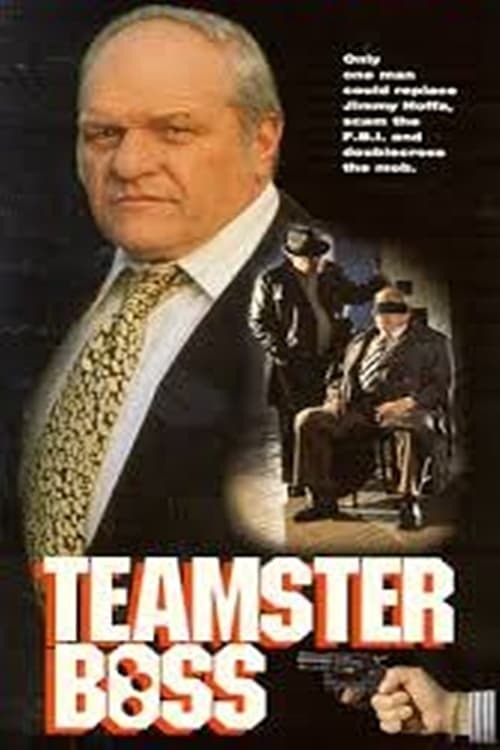
1992
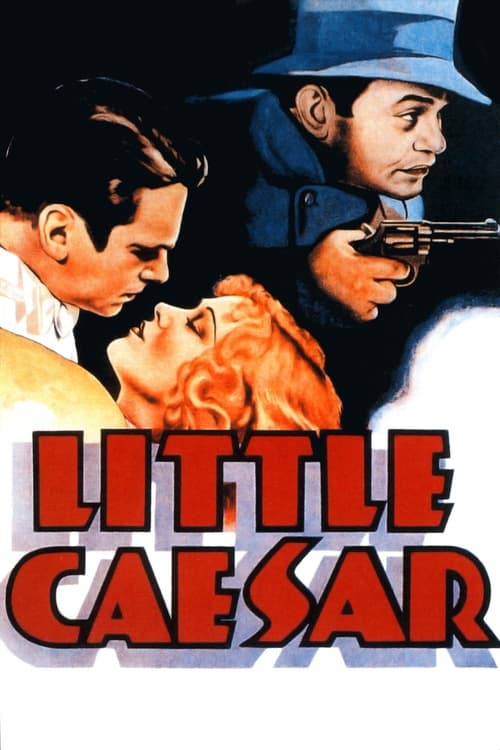
1931
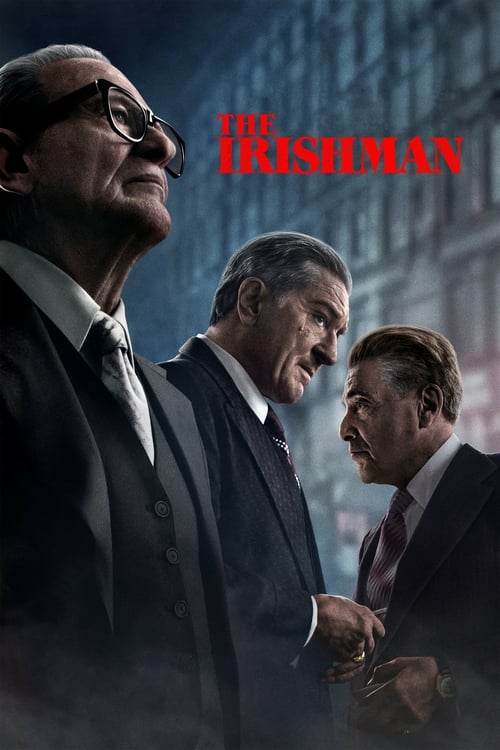
2019
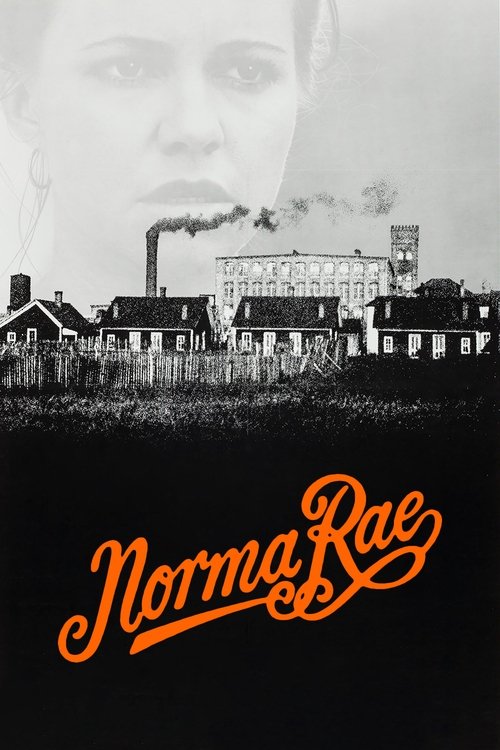
1979
No reviews yet. Be the first to share your thoughts on this movie!
Use the rating form above to leave a star rating and optional review.