Kill the Irishman
2011
No user ratings available yet
Representation score: 0.9 out of 10
Representation Score
Limited
1991
RDirector
Michael Karbelnikoff
Runtime
104 minutes
Average Rating
No ratings yetNew Showbiz Analysis
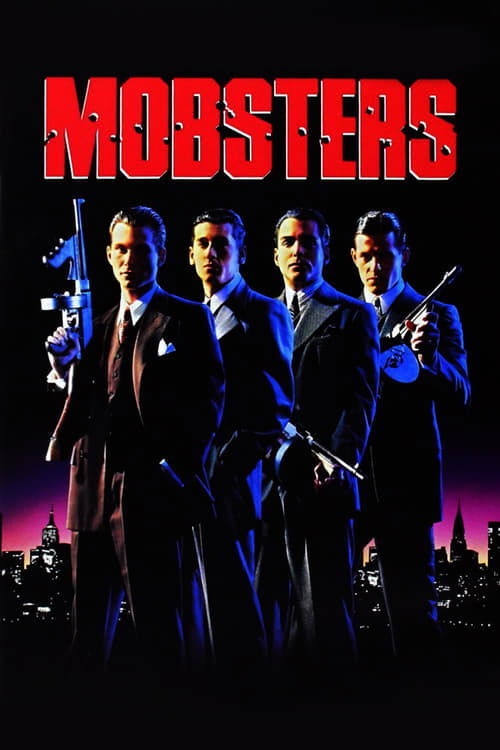
Mobsters operates as a conventional 1990s crime drama, adhering strictly to established genre clichés. The narrative prioritizes masculine-coded power struggles and historical archetypes of organized crime. The film offers little disruption of systemic norms, focusing instead on the individualistic pursuit of wealth and status within specific ethnic enclaves. It functions primarily as a traditional period piece. While the turn-of-the-century New York setting provides a backdrop of immigrant life, the representation remains centered on standard historical power structures rather than diverse or subversive perspectives.
Category Breakdown
The film focuses on the rise of organized crime syndicates. It lacks narratives involving LGBTQ+ identities and reinforces traditional assumptions about straight relationships.
The story centers on masculine pursuits of power and street hoodlumism. Female characters appear relegated to peripheral or domestic roles that reinforce traditional hierarchies.
The setting involves diverse immigrant populations, but the focus remains on specific ethnic enclaves. It aligns with standard historical depictions of era-specific power structures.
The narrative emphasizes traditional hierarchies of power, loyalty, and extralegal authority. It follows conventional Western crime clichés rather than offering critiques of institutions.
There is no discernible evidence regarding the inclusion or portrayal of characters with visible or invisible disabilities.
Present on Screen
Limited or Absent
Official Synopsis
The story of a group of friends in turn of the century New York, from their early days as street hoods to their rise in the world of organized crime...
2011
1931
2013
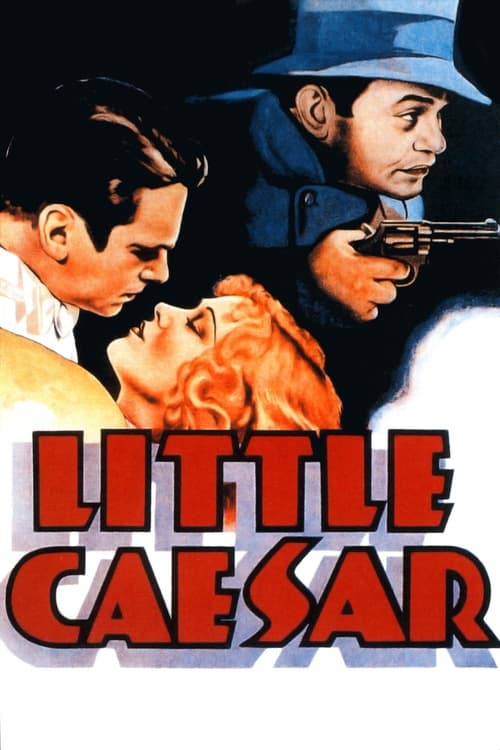
1931
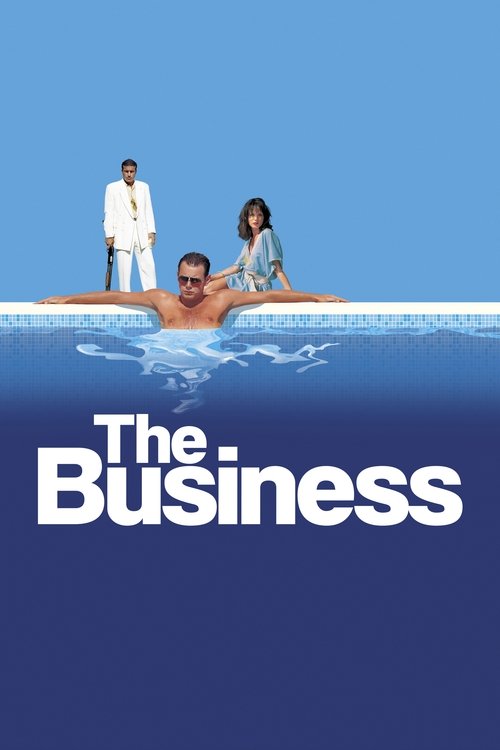
2005
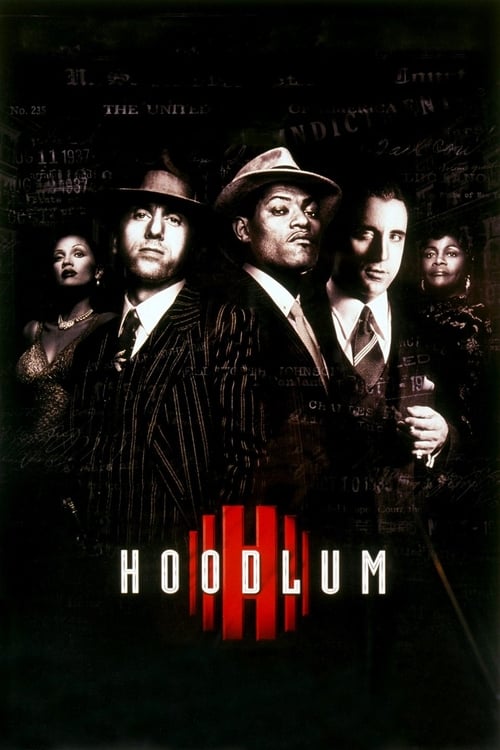
1997
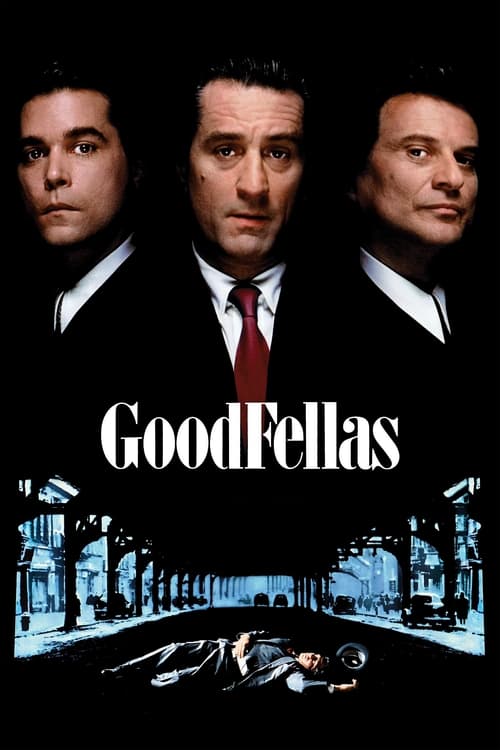
1990
1990
No reviews yet. Be the first to share your thoughts on this movie!
Use the rating form above to leave a star rating and optional review.