Mobsters
1991
No user ratings available yet
Representation score: 2.1 out of 10
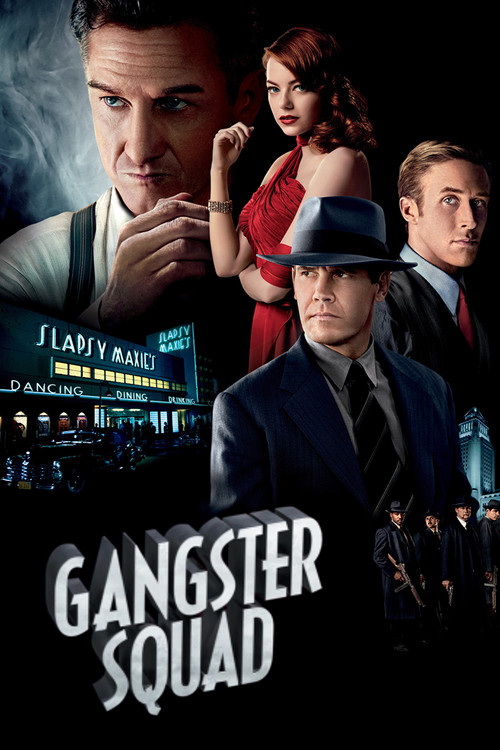
Representation Score
Minimal
2013
RDirector
Ruben Fleischer
Runtime
113 minutes
Average Rating
No ratings yetNew Showbiz Analysis
Gangster Squad follows traditional crime thriller conventions, emphasizing genre clichés over diverse representation. The narrative centers on a homogeneous group of male characters, focusing on brotherhood and combat. While the film delves into themes of institutional corruption, it addresses these issues through the lens of classic vigilantism, highlighting individual heroes bypassing broken systems rather than deconstructing systemic power dynamics or promoting progressive social values. Overall, the film adheres to the conventions of the noir genre, reinforcing traditional gender and racial structures without challenging them.
Category Breakdown
The film does not include any LGBTQ+ characters or non-straight relationships. There are no underlying challenges to traditional sexual orientations.
The story centers around male characters who drive the plot, focusing on brotherhood and combat. Female characters play minor roles, often serving as romantic interests or social ornaments.
The main cast is predominantly white and Anglo-Saxon. Despite the diverse setting of 1949 Los Angeles, the narrative focuses on a homogeneous group.
The story highlights systemic corruption within the LAPD and political structures. However, it frames justice through individual heroism rather than critiquing Western ideology.
There are no notable depictions of characters with visible or invisible disabilities. No characters with disabilities are used as central narrative devices.
Present on Screen
Limited or Absent
Official Synopsis
Los Angeles, 1949. Ruthless, Brooklyn-born mob king Mickey Cohen runs the show in this town, reaping the ill-gotten gains from the drugs, the guns, the prostitutes and — if he has his way — every wire bet placed west of Chicago. And he does it all with the protection of not only his own paid goons, but also the police and the politicians who are under his control. It’s enough to intimidate even the bravest, street-hardened cop… except, perhaps, for the small, secret crew of LAPD outsiders led by Sgt. John O’Mara and Jerry Wooters who come together to try to tear Cohen’s world apart.
1991

1981
2011
1950
1987

1932
2016
1997
No reviews yet. Be the first to share your thoughts on this movie!
Use the rating form above to leave a star rating and optional review.