
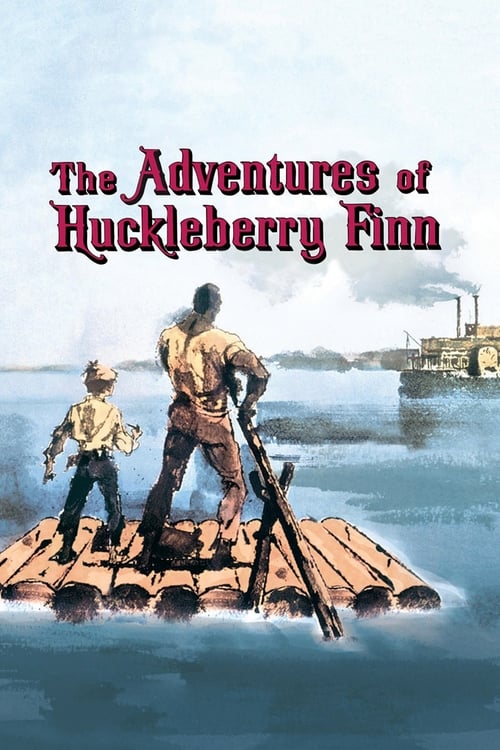
The Adventures of Huckleberry Finn
1939
No user ratings available yet
Representation score: 2.1 out of 10
Representation Score
Limited
1960
NRDirector
Michael Curtiz
Runtime
107 minutes
Average Rating
No ratings yetNew Showbiz Analysis
The film serves as a transitional narrative that balances historical accuracy with a critique of systemic authority. While it lacks modern multi-layered complexity, it finds progressive value in its tension between institutional law and individual morality. The production adheres to the traditional gender and social hierarchies of its time. The focus remains heavily on the masculine experience of survival and rebellion, limiting the scope of its social commentary.
Category Breakdown
The film does not include any representation of non-binary gender identities or LGBTQ+ experiences. The narrative centers on a traditional male-centric journey within the social norms of its era.
The story is driven almost exclusively by male protagonists. Female characters play secondary roles and lack the autonomy to challenge conventional gender hierarchies.
The film depicts the racial hierarchy of the antebellum South through the bond between Huck and Jim. This relationship challenges the era's social stratification despite the limitations of period-specific cinema.
The story deconstructs Western institutions by pitting Huck against societal laws and patriarchal authority. It prioritizes individual conscience and personal loyalty over established religious or legal structures.
There are no prominent depictions of visible or invisible disabilities that serve as central narrative drivers or character arcs.
Present on Screen
Limited or Absent
Official Synopsis
From chicken thief to cabin boy, riverboat pilot to circus performer, Huck Finn outsmarts everyone on his way down the muddy Mississippi.
1939
1937
1969
1948
1987
1980

1986
1981
No reviews yet. Be the first to share your thoughts on this movie!
Use the rating form above to leave a star rating and optional review.