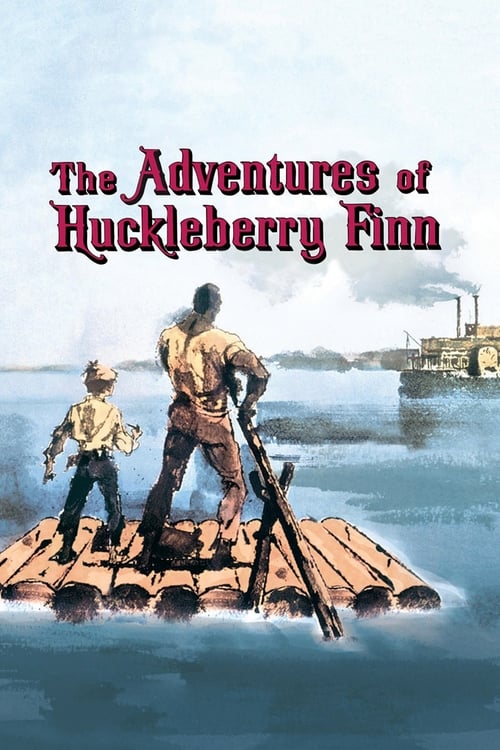
The Adventures of Huckleberry Finn
1960
No user ratings available yet
Representation score: 2.5 out of 10

Representation Score
Limited
1939
NRDirector
Richard Thorpe
Runtime
91 minutes
Average Rating
No ratings yetNew Showbiz Analysis
This 1939 adaptation captures a tension between the restrictive social norms of the antebellum South and a progressive moral core. While the film is limited by the era's gender and LGBTQ+ standards, it finds depth in its thematic subversion of authority. The central bond between Huck and Jim provides a nuanced look at systemic inequality. By framing the protagonist's rejection of legal and religious structures as a pursuit of conscience, the film challenges the corrupting influence of established institutions.
Category Breakdown
The film adheres to an assumption that everyone is straight or cisgender. It focuses on a male-centric journey with no queer subtext or non-cisgender identities present.
The narrative is driven almost exclusively by male characters. Female presence remains peripheral and has little control over what happens to them, serving mostly as background elements to the masculine experience.
Jim is a central figure in the journey toward freedom rather than a background element. However, the portrayal remains constrained by the racial hierarchies of 1939.
The film critiques traditional Western institutions by framing Huck's rebellion as a moral necessity. It positions Southern law and religious structures as forces to be resisted.
There are no prominent depictions of physical or neurodivergent disabilities. No such character studies drive the narrative forward.
Present on Screen
Limited or Absent
Official Synopsis
Huckleberry Finn, a rambunctious boy adventurer chafing under the bonds of civilization, escapes his humdrum world and his selfish, plotting father by sailing a raft down the Mississippi River.
1960
1937

1986
1943

1937
1987

1969

2012
No reviews yet. Be the first to share your thoughts on this movie!
Use the rating form above to leave a star rating and optional review.