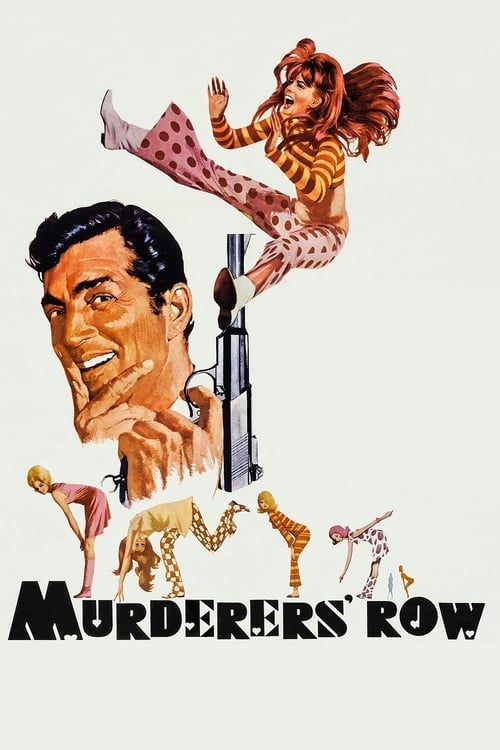
Murderers' Row
1966
No user ratings available yet
Representation score: 0.5 out of 10
Representation Score
Limited
1967
ApprovedDirector
Gordon Douglas
Runtime
114 minutes
Average Rating
No ratings yetNew Showbiz Analysis
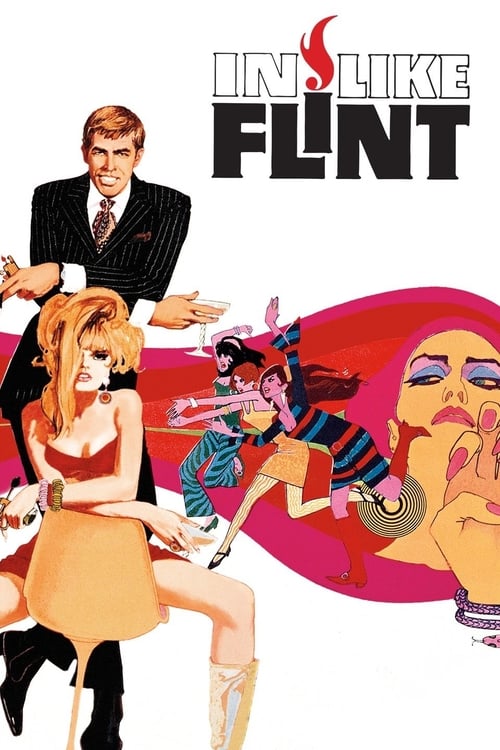
Like Flint is a satirical spy film that pokes fun at the hyper-masculine themes of 1960s espionage. It uses humor to challenge traditional genre conventions, especially those related to power dynamics. The film introduces women as organized threats to global order, breaking away from passive roles. However, it remains tied to the social norms of the time. While the movie uses satire to mock authority, it prioritizes entertainment over deeper ideological or systemic critiques.
Category Breakdown
The film follows the social structures of the 1960s, where everyone is assumed to be straight and cisgender. There are no characters who challenge traditional romantic relationships.
The movie challenges typical power structures by showing women using beauty salons to gain global influence. Natalie Wood's character plays a significant role in the story, but the film still focuses on conventional romantic relationships.
The supporting cast includes characters from different ethnic backgrounds, but they mainly serve functional roles within the spy world. The film avoids obvious stereotypes but doesn't explore the complexities of diverse identities.
The plot humorously criticizes the stability of Western institutions by replacing the President. However, it doesn't delve deeply into broader issues related to religion or capitalism.
The film does not focus on characters with visible or invisible disabilities.
Present on Screen
Limited or Absent
Official Synopsis
Flint is again called out of retirement when his old boss finds that he seems to have missed 3 Minutes while golfing with the President. Flint finds that the President has been replaced by an actor (Flint's line [with a wistful look] is "An Actor as President?") Flint finds that a group of women have banded together to take over the world through subliminal brainwashing in beauty salons they own.
1966
1966
1968
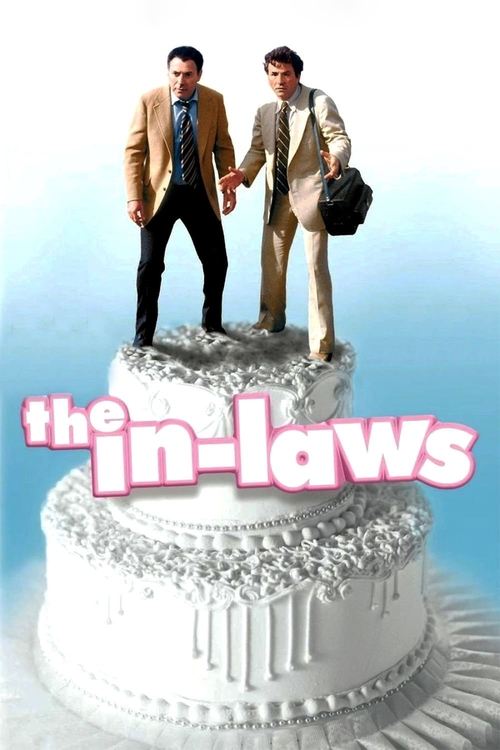
1979
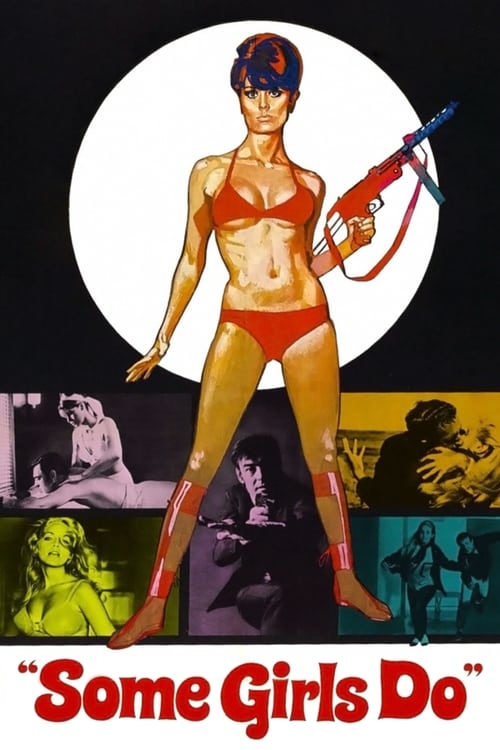
1969
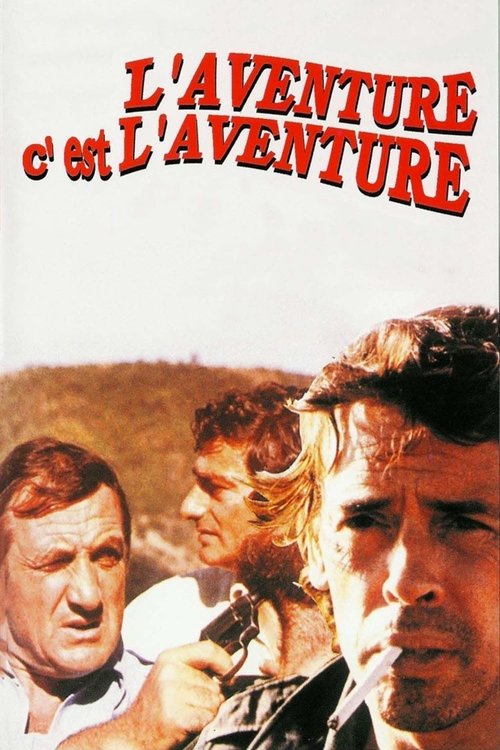
1972
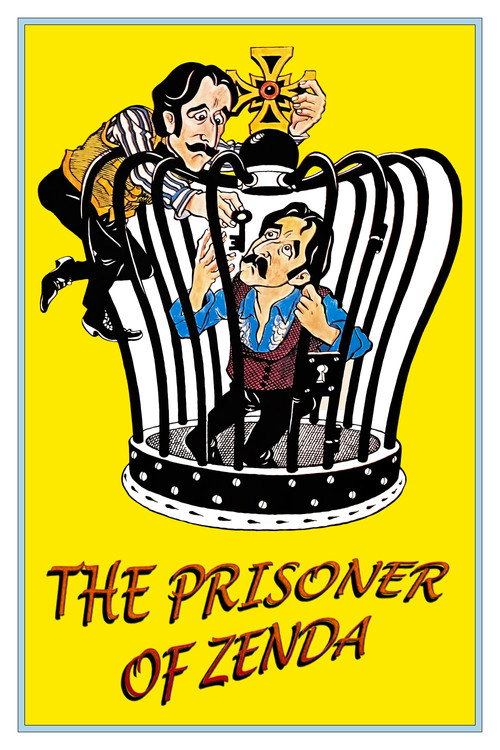
1979
1964
No reviews yet. Be the first to share your thoughts on this movie!
Use the rating form above to leave a star rating and optional review.