
My Blueberry Nights
2007
No user ratings available yet
Representation score: 5.4 out of 10
Representation Score
Fair
2009
PG-13Director
Udayan Prasad
Runtime
102 minutes
Average Rating
No ratings yetNew Showbiz Analysis
The Yellow Handkerchief serves as a significant cultural counter-narrative by centering the complexities of rural Indian life. It successfully challenges Western-centric storytelling paradigms through its focus on post-colonial social critiques and the tension between tradition and modernization. However, the film remains conservative in its character dynamics. While it offers depth regarding socioeconomic shifts, it lacks the progressive subversion of gender roles or queer identities necessary for a higher diversity rating. Ultimately, the film is a localized study of systemic change rather than an exercise in characters who reflect more than one aspect of diversity.
Category Breakdown
The film does not include any visible LGBTQ narratives or non-cisgender identities. It focuses on heterosexual social structures and individual isolation.
Gender roles are primarily tied to rural social hierarchies. The narrative delves into internal lives but does not actively challenge traditional patriarchal structures or significantly highlight women's ability to drive the story.
The film provides a nuanced look at ethnic identities within the Indian rural landscape. It disrupts Western-centric storytelling by centering non-Western lived experiences.
The story critiques how rapid modernization and capitalism affect traditional village life. It uses the rural-urban divide to challenge globalized, homogenizing forces.
There is no information available regarding the portrayal of visible or invisible disabilities in this work.
Present on Screen
Limited or Absent
Official Synopsis
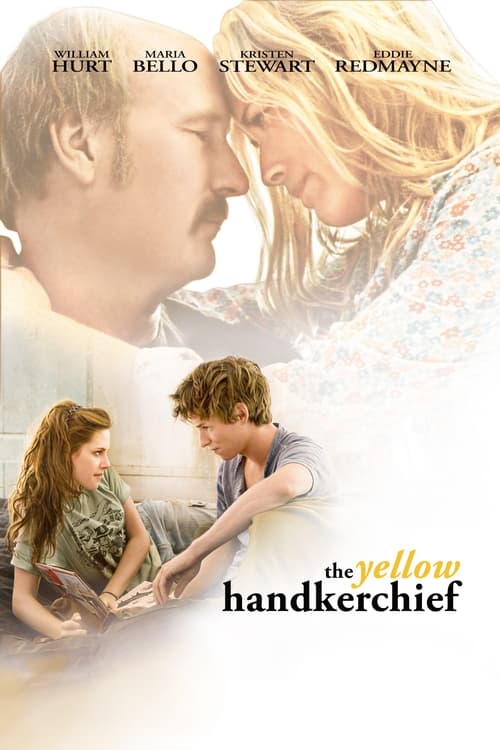
A road trip through Louisiana transforms three strangers who were originally brought together by their respective feelings of loneliness.
2007

2011

2011
2017
2013

2007

2003
2007
No reviews yet. Be the first to share your thoughts on this movie!
Use the rating form above to leave a star rating and optional review.