
The Art of Getting By
2011
No user ratings available yet
Representation score: 4.5 out of 10

Representation Score
Fair
2011
PG-13Director
Gus Van Sant
Runtime
91 minutes
Average Rating
No ratings yetNew Showbiz Analysis
Restless is an intimate, character-driven drama that prioritizes existential questions over broader social commentary. It explores the vulnerability of individuals facing mortality through a singular, focused romantic lens. The film’s demographic makeup is traditional, lacking significant representation of diverse racial, ethnic, or LGBTQ+ identities. The narrative’s scope is narrow, focusing on the socioeconomic and biological isolation of its protagonists. While it lacks broad systemic coverage, the film excels in its specific portrayal of terminal illness, avoiding clichés and offering a serious look at the psychological impact of chronic disease on both patients and caregivers.
Category Breakdown
The film follows a typical romantic storyline centered around heterosexual relationships. There are no visible non-straight or non-cisgender identities or critiques of the assumption that everyone is straight or cisgender within the main characters.
The story challenges the idea of a stable provider by focusing on a vulnerable male protagonist. Emotional strength and the ability to take action are given to the female lead.
The cast is mostly white and uniform, reflecting the rural Oregon setting. The film does not make deliberate efforts to include diverse ethnic perspectives or consider multiple aspects of identity together.
The film operates within a secular, human-focused framework, emphasizing mortality over religious doctrine. It steers clear of promoting a single religious viewpoint in favor of personal exploration.
The film offers a thoughtful depiction of terminal illness. It handles physical decline seriously and gives the characters real control rather than using the condition just for inspiration.
Present on Screen
Limited or Absent
Official Synopsis
Two outsiders, both shaped by the circumstances that have brought them together, forge a deep and lasting love.
2011
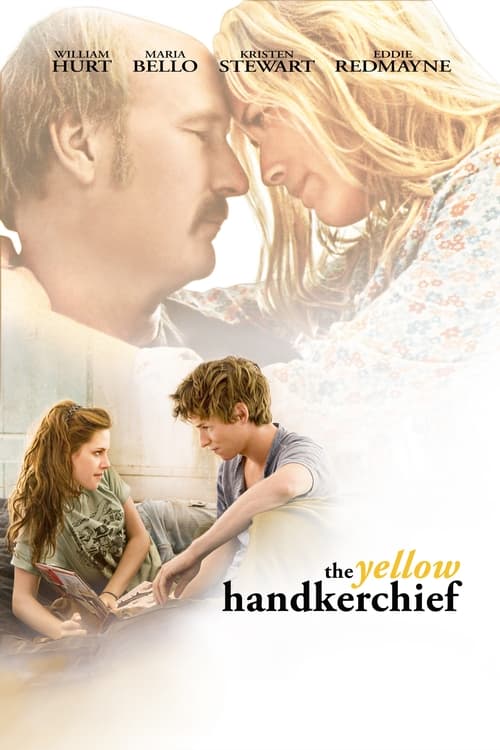
2009
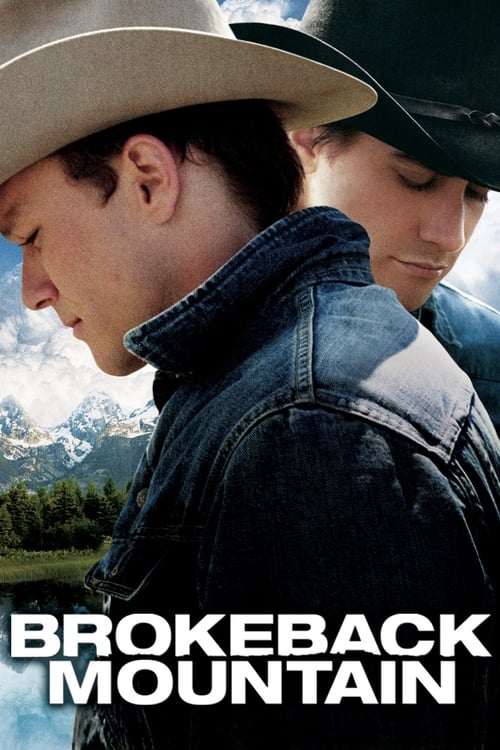
2005

1998
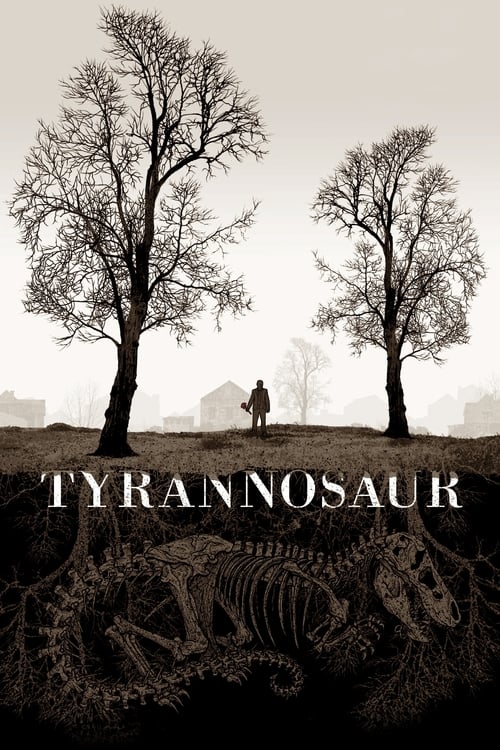
2011
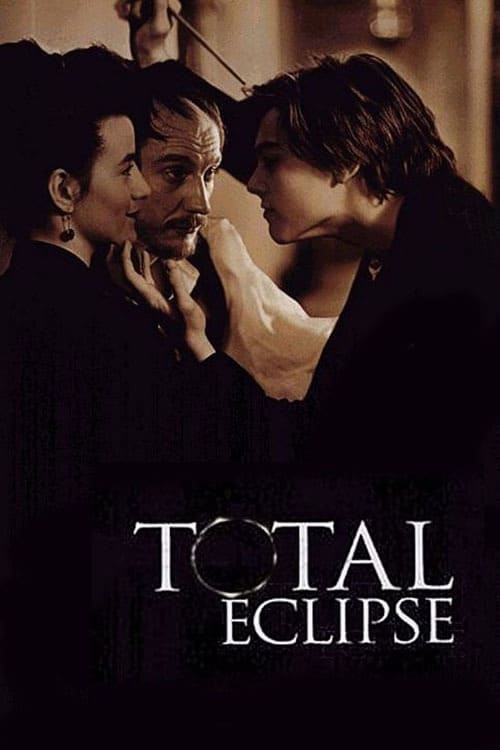
1995

2011

2005
No reviews yet. Be the first to share your thoughts on this movie!
Use the rating form above to leave a star rating and optional review.