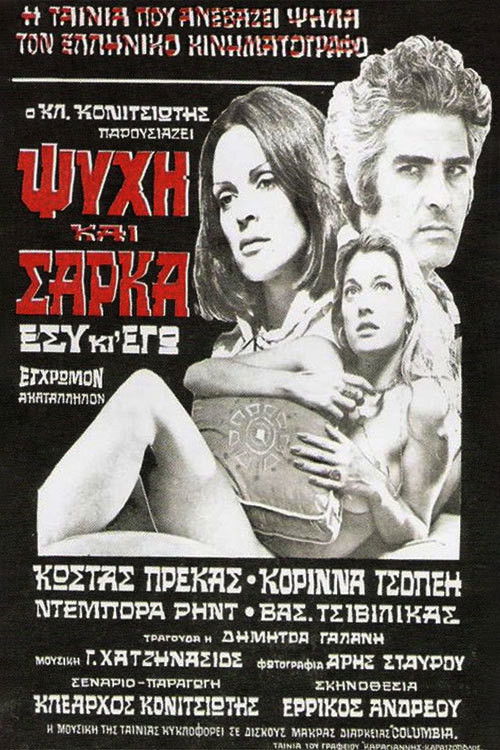
Soul and Flesh
1974
No user ratings available yet
Representation score: 1.5 out of 10
Representation Score
Fair
1972
RDirector
Luigi Scattini
Runtime
79 minutes
Average Rating
No ratings yetNew Showbiz Analysis
The film examines individual ability to act and the breakdown of traditional marital structures. It moves away from conventional domestic narratives to explore personal ethics and freedom. While the film does not include LGBTQ+ characters, it successfully challenges gender stereotypes by giving both main characters autonomy. This offers a more balanced look at desire compared to typical period romances. Using a non-Western tropical setting and a non-white lead, the film provides a visual and narrative contrast to standard Western romances, even if it adheres to 1970s conventions.
Category Breakdown
The film centers on heterosexual relationships and marital infidelity. There are no LGBTQ+ characters or non-cisgender identities explored.
The story challenges traditional gender roles by giving both the husband and wife significant roles in driving the plot. The wife's actions and independent pursuit of desires defy passive stereotypes.
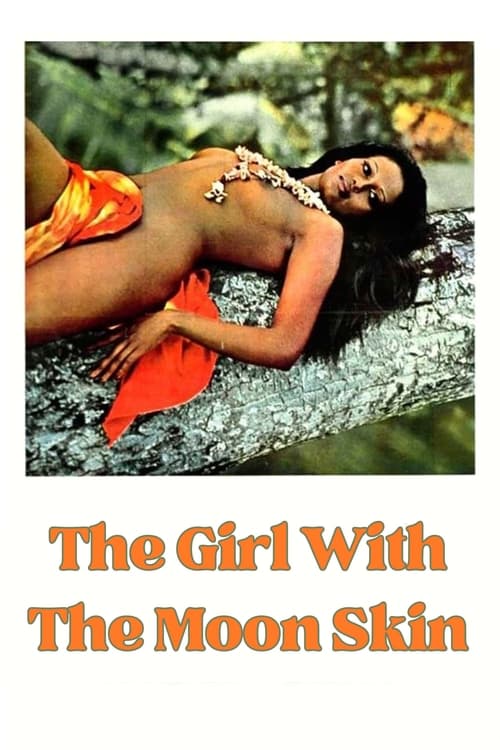
The film features a non-Anglo-Saxon setting and casts Zeudi Araya, a non-white actress, in a central role. Her character serves as a catalyst for the male lead's personal development.
Infidelity is portrayed as a means for personal growth rather than a moral failing. The film questions strict Western marriage norms by emphasizing personal emotional truth over societal rules.
There are no characters with visible or invisible disabilities featured in the film.
Present on Screen
Limited or Absent
Official Synopsis
Also known as The Sinner on UK VHS, this one could almost be mistaken for a D'Amato Black Emanuelle film (as well as Jess Franco who also had a film with the same video title). The Italian title translates as The Moon-Skinned Girl, a reference to the amazingly attractive Zeudi Araya, who made two other films with the same director. As a film it really typifies the 'eurotika' of the 1970s - the story concerns a couple with marital problems who escape to the Seychelles and the husband meets - and has an affair with - the title character. The wife meanwhile meets an ex-pat living there (Giacomo Rossi-Stuart!) with whom she has a fling. The couple realise their love for each other and return home stronger for it.
1974
1976

1993
1961

1992
1977
1972

1985
No reviews yet. Be the first to share your thoughts on this movie!
Use the rating form above to leave a star rating and optional review.