
Happily Ever After
1985
No user ratings available yet
Representation score: 6.6 out of 10

Representation Score
Fair
1970
Director
Armando Bó
Runtime
90 minutes
Average Rating
No ratings yetNew Showbiz Analysis
Armando Bó’s work provides a visceral look at social transgression and human desire. By centering a woman navigating economic necessity and romantic ability to act, the film disrupts traditional patriarchal control and explores the complexities of survival. The narrative structure prioritizes individual choice over conventional social norms. This creates a character study that challenges the idea of traditional institutions as the sole arbiters of morality. While the film offers a nuanced perspective on ability to act, it remains limited by a lack of specific evidence regarding LGBTQ+ identities or disability representation.
Category Breakdown
The film does not explicitly show characters with LGBTQ+ identities. However, its focus on characters living outside traditional social structures hints at the possibility of exploring non-traditional roles.
The story centers around a female protagonist's ability to make her own decisions. By putting her in charge of choosing between two men, the film emphasizes female autonomy.
The production context and the director's background suggest a cast that reflects Latin American demographics. This likely offers a break from the typical homogeneous casting seen in Hollywood.
The story challenges traditional religious morality by focusing on a protagonist whose profession exists on the social periphery. It favors a complex, situational ethics approach over strict institutional rules.
There is no evidence showing the depiction of physical or neurodivergent disabilities within the film.
Present on Screen
Limited or Absent
Official Synopsis
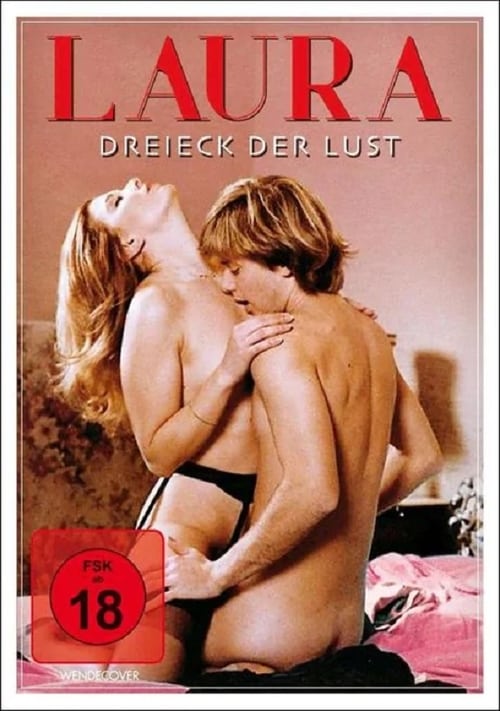
A woman who makes her living as a prostitute must decide her fate between two totally different men.
1985

1992

1962

1961

1966

1973
1987

1974
No reviews yet. Be the first to share your thoughts on this movie!
Use the rating form above to leave a star rating and optional review.