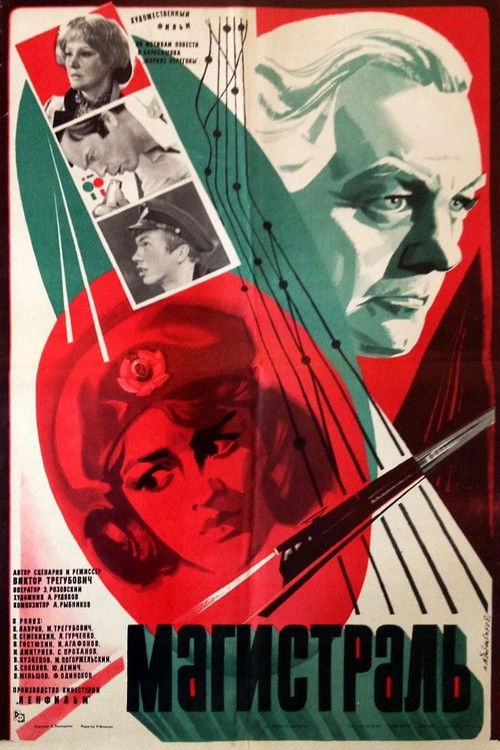
The Highway
1983
No user ratings available yet
Representation score: 1.9 out of 10
Representation Score
Limited
1972
Director
Vasili Levin
Runtime
0 minutes
Average Rating
No ratings yetNew Showbiz Analysis
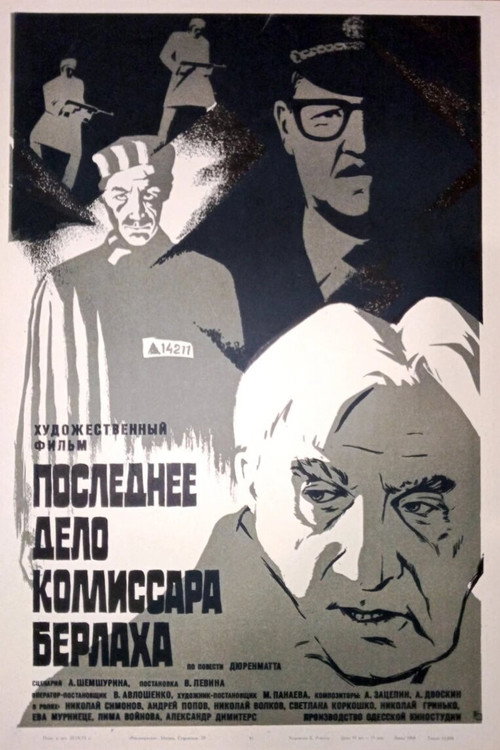
Commissioner Berlach's Last Case is a period drama rooted in the moral frameworks of 1970s Soviet-era cinema. The narrative prioritizes systemic accountability and the pursuit of historical justice over individualistic or subversive storytelling. The film relies heavily on traditional formulas, centering on a singular male protagonist and a male antagonist. This structure limits the scope of ability to act and reinforces a conventional hierarchy of power. While the protagonist's terminal illness introduces a layer of physical vulnerability, it primarily functions to heighten dramatic tension. The film lacks multi-layered depth, focusing instead on the historical tension of post-war retribution.
Category Breakdown
The film does not include any LGBTQ+ characters or narratives. It follows a traditional dramatic structure centered on a singular protagonist's pursuit of justice.
The story revolves around Commissioner Berlach, a male authority figure. The narrative emphasizes a male-driven pursuit of a male antagonist, reinforcing traditional gender hierarchies.
The conflict centers on post-war European tensions between investigators and German war criminals. The cast reflects the specific demographic realities of that era and region.
The drama reinforces traditional notions of institutional authority and moral absolutes. It focuses on state-sanctioned retribution for historical crimes rather than diverse cultural perspectives.
The protagonist's terminal illness serves as a driver for narrative urgency. However, this use of physical vulnerability primarily functions as a plot device rather than a nuanced exploration.
Present on Screen
Limited or Absent
Official Synopsis
The last months of Police Commissioner Berlach's life are devoted to tracking down the war criminal, Nazi doctor-examiner Emenberger. Hiding under a false identity, he continues to carry out cruel experiments on human beings even in peaceful days. The terminally ill Berlach manages to expose the criminal and break him, forcing him to confess to what he has done
1983

1997
1956

1975
1968
1975
1993

1975
No reviews yet. Be the first to share your thoughts on this movie!
Use the rating form above to leave a star rating and optional review.