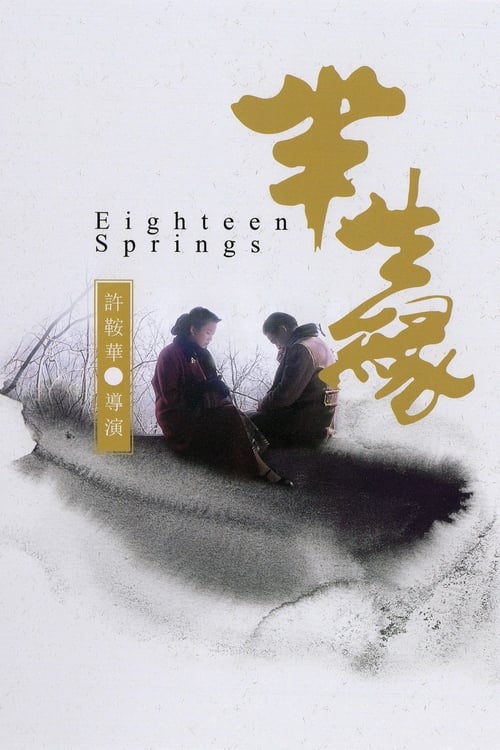
Eighteen Springs
1997
No user ratings available yet
Representation score: 5.1 out of 10
Representation Score
Fair
2002
Director
Hu Mei
Runtime
104 minutes
Average Rating
No ratings yetNew Showbiz Analysis
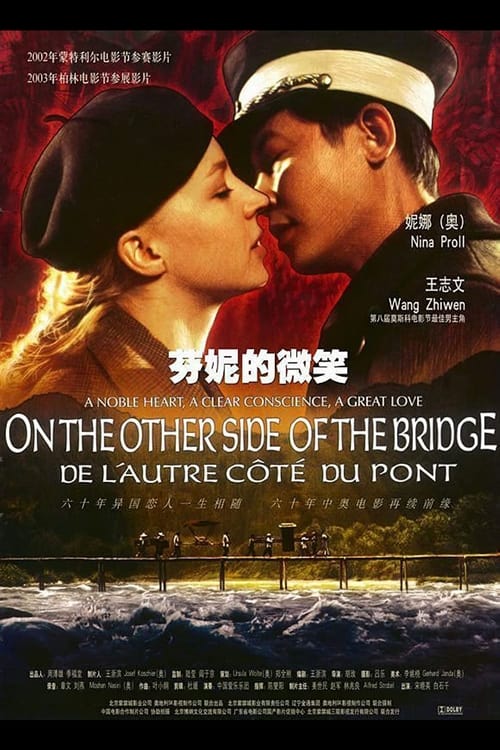
Hu Mei’s drama succeeds by using an intimate, cross-cultural romance to critique the broader, oppressive movements of global history. The film's primary strength is its multi-layered approach to race and geography, moving from Vienna to China to challenge typical racial hierarchies of the era. However, the film remains limited by its traditional romantic structures and lack of engagement with LGBTQ+ or disability themes. While it challenges some gender clichés through Fanny's autonomy, it still operates within the emotional expectations of wartime period pieces. Ultimately, the work is a sophisticated historical narrative that prioritizes the human cost of systemic upheaval and imperialist aggression over simple domestic drama.
Category Breakdown
The film focuses on a heterosexual relationship between Fanny and Ma Yunlong. There is no evidence of non-binary gender identities or same-sex intimacy within the primary character arcs.
Fanny challenges traditional female passivity by choosing to relocate to China to pursue her own life path. While she plays a significant role in driving the story, the narrative still leans into the emotional labor typically expected of women in wartime dramas.
The film excels in depicting cross-cultural integration through a relationship between a European woman and a Chinese officer. It avoids whitewashing by presenting a genuine integration of different ethnic identities.
The story uses a post-colonial lens to examine how foreign imperialism impacts Chinese domestic life. It portrays the 'Middle Kingdom' through a realistic, somber view of socioeconomic hardship and political upheaval.
There are no prominent depictions of physical or neurodivergent disabilities that serve as central character traits or plot drivers.
Present on Screen
Limited or Absent
Official Synopsis
Vienna in 1931. Fanny, the daughter of a Vienna police trainer, meets the Chinese police officer Ma Yunlong, who is completing specialist training in Vienna. The shy acquaintance quickly turns into great love. Against the will of her parents, Fanny travels to China on her 18th birthday to marry Yunlong. At his side, Fanny begins a new life in the Middle Kingdom, which is characterized by deprivation and painful turns due to the multiple political upheavals.
1997
1932
2002
2010
1955

1996
1992
1919
No reviews yet. Be the first to share your thoughts on this movie!
Use the rating form above to leave a star rating and optional review.