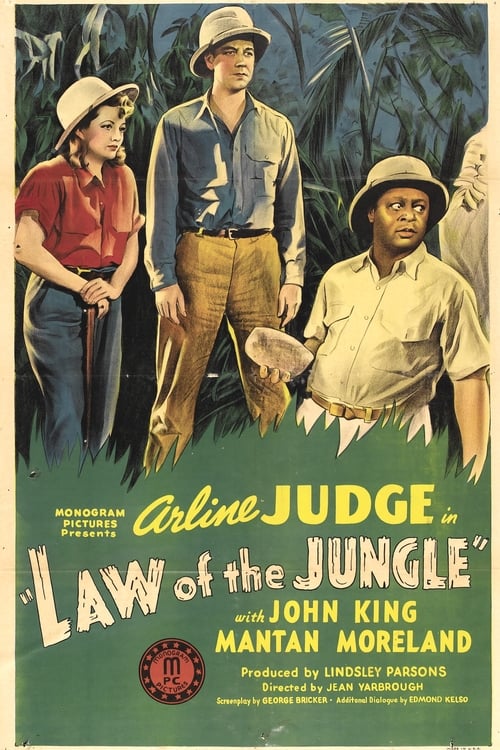
Law of the Jungle
1942
No user ratings available yet
Representation score: 0.5 out of 10
Representation Score
Minimal
1932
PassedDirector
Wesley Ruggles
Runtime
69 minutes
Average Rating
No ratings yetNew Showbiz Analysis
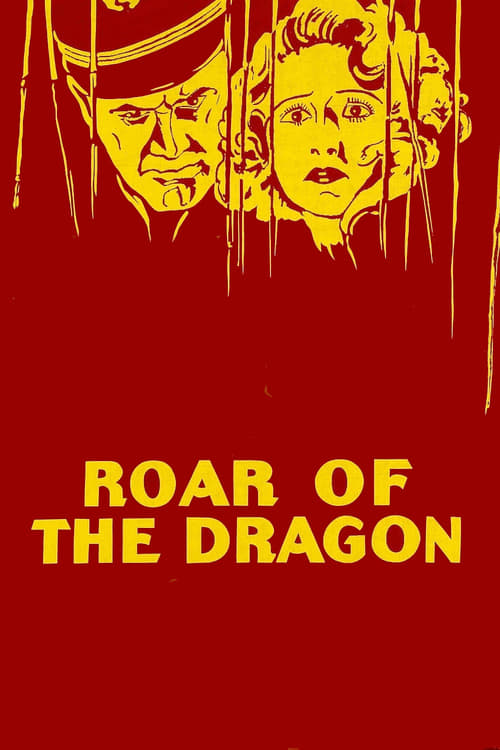
Roar of the Dragon is a traditional 1930s adventure-romance that emphasizes Western-centric perspectives. The plot revolves around Western characters navigating geopolitical instability in Manchuria, reinforcing a Eurocentric worldview. The narrative structure relies heavily on traditional story elements. Character interactions are driven by male-led conflicts and ownership-based romantic tensions, leaving little room for diverse or subversive representation. Overall, the film upholds traditional social hierarchies and gender roles typical of its era, without challenging them.
Category Breakdown
The film does not include any representation of LGBTQ+ identities or same-sex relationships. Romantic tensions are centered around heterosexual relationships.
Women's roles in the film are secondary to the male-driven conflicts. The narrative adheres to traditional gender roles from the 1930s, where women are often associated with male characters.
The story focuses on a group of Western characters in Manchuria. The setting is used mainly as a backdrop for the Western characters, suggesting a homogeneous cast.
The film centers on Western characters and perspectives. It does not give much importance to local cultural or indigenous viewpoints.
There is no information regarding the portrayal of physical or neurodivergent characters in this production.
Present on Screen
Limited or Absent
Official Synopsis
A boatload of Westerners is trapped in Manchuria as bandits led by Russian renegade Voronsky ravage the area. Seeking refuge in a fortified inn, the group is led by the boat's Captain Carson, who becomes involved with a woman who "belongs" to Voronsky. Carson must contend with the bandits outside and the conflicting personalities of those trapped inside the inn, as well as dealing with spies among the inn's personnel.
1942

1932
1936
1932
1926

1959
1932

1937
No reviews yet. Be the first to share your thoughts on this movie!
Use the rating form above to leave a star rating and optional review.