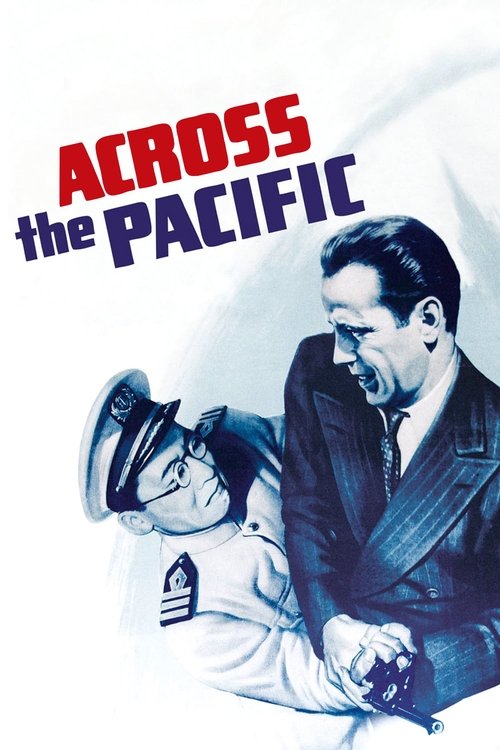
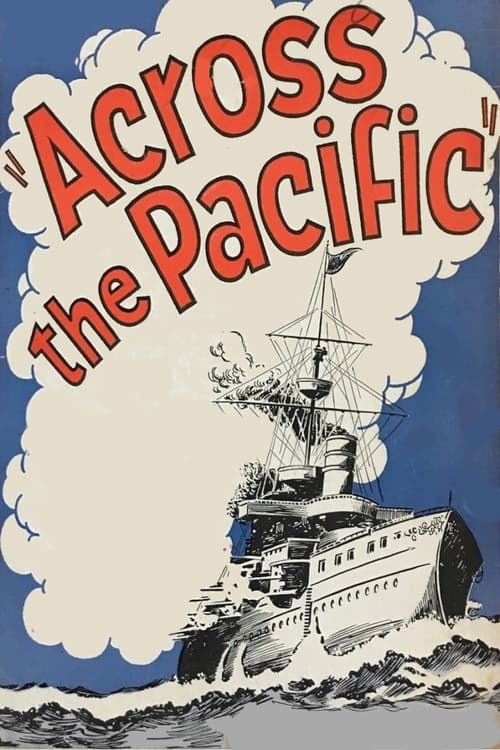
Across the Pacific
1942
No user ratings available yet
Representation score: 1.8 out of 10
Representation Score
Minimal
1926
PassedDirector
Roy Del Ruth
Runtime
78 minutes
Average Rating
No ratings yetNew Showbiz Analysis
Across the Pacific is a conventional silent-era adventure that reflects the social hierarchies of the 1920s. The narrative prioritizes romantic clichés and colonial-era settings over any meaningful social subversion. The film's perspective is heavily Eurocentric, focusing on a Western soldier's journey and romantic pursuits in the Philippines. This approach limits the ability to act of local populations, treating them as background elements to the central military and romantic drama. Ultimately, the work functions as escapist entertainment. It adheres to the established gender and racial dynamics of its time, offering little in the way of diverse representation.
Category Breakdown
The film follows a strictly straight-centered romantic structure. The plot centers on a traditional love triangle involving a soldier, a spy, and a commanding officer's daughter.
Female characters are defined largely by their romantic entanglements. While the spy Roma shows some ability to act, the narrative reinforces traditional courtship and gender hierarchies.
The story operates within a colonialist framework set in the Philippines. The focus remains on Western perspectives, with local rebels likely serving as mere plot catalysts.
The film reinforces 1920s social and geopolitical norms through its military and high-society settings. It lacks any themes that challenge Western institutional structures.
There is no mention of characters with visible or invisible disabilities within the narrative.
Present on Screen
Limited or Absent
Official Synopsis
Following the Spanish-American War, a soldier is given the assignment of finding the leader of a band of rebels in the Philippines. In order to do this, he must romance Roma, a cabaret spy working for the rebels. This does not please the daughter of his commanding officer, whom he is romancing.
1942

1930
1951

1932

1936
1964
1936

1932
No reviews yet. Be the first to share your thoughts on this movie!
Use the rating form above to leave a star rating and optional review.