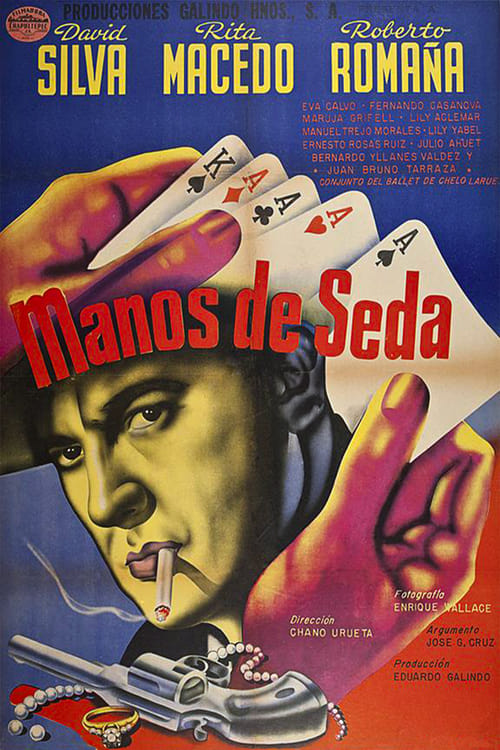
Manos de seda
1951
No user ratings available yet
Representation score: 1.5 out of 10
Representation Score
Minimal
1950
Director
Chano Urueta
Runtime
90 minutes
Average Rating
No ratings yetNew Showbiz Analysis
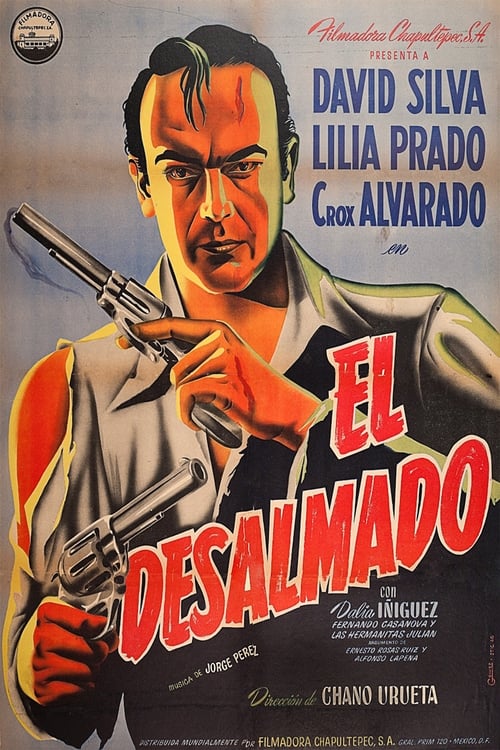
El desalmado is a traditional genre piece that reflects the social values of the Golden Age of Mexican cinema. It uses the outlaw cliché to explore morality through a lens that upholds established social orders. While the film offers a culturally specific alternative to the Anglo-centric Westerns of the era, its internal dynamics remain rooted in tradition. The narrative structure does not aim to disrupt hierarchies or promote diverse ability to act.
Category Breakdown
The film does not include any representation of LGBTQ+ identities or same-sex relationships. It follows the assumption that everyone is straight and cisgender, which is typical of 1950s Mexican melodrama.
The story relies on traditional gender roles where women are often defined in relation to the male protagonist, reinforcing his dominance rather than challenging it.
The film features a mostly Mestizo cast, providing a non-Anglo-Saxon perspective. However, it adheres to industry norms without questioning internal ethnic hierarchies.
The story operates within the moral and religious frameworks of mid-century Mexico, reinforcing social order through the outlaw cliché without offering secular or anti-capitalist critiques.
There is no depiction of physical or neurodivergent disabilities in the film.
Present on Screen
Limited or Absent
Official Synopsis
Fictional biography of a career criminal.
1951

2010
1950
1962
1945
1985
1975
1946
No reviews yet. Be the first to share your thoughts on this movie!
Use the rating form above to leave a star rating and optional review.