
The Face of Fear
1971
No user ratings available yet
Diversity score: 1.6 out of 10
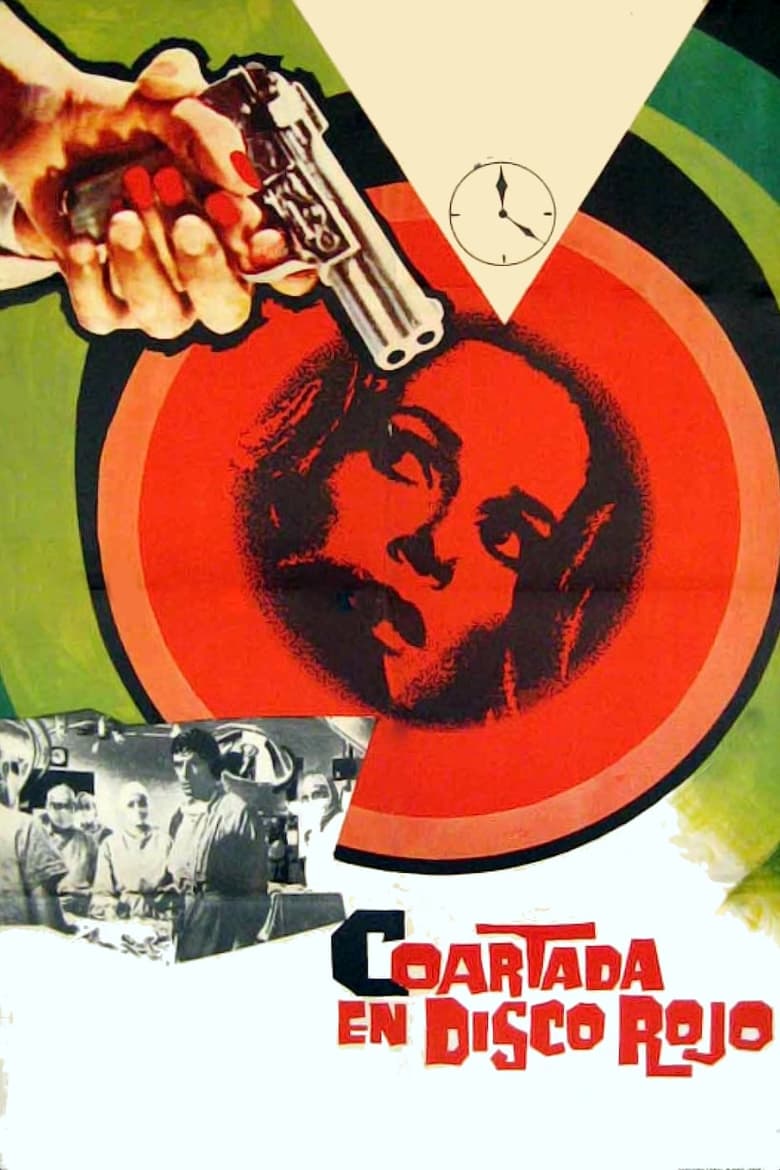
1972
Director
Tulio Demicheli
Runtime
88 minutes
Average Rating
No ratings yetSynopsis
Doctor Miguel Azzini is found shot dead dead. The police suspect his colleagues: Elena Carli, his former mistress and owner of the clinic where he worked; Roberto Carli, her surgeon husband; Doctor Paula Lombardo, Roberto's mistress; and the clinic's administrator. Inspector Nardi discovers that Elena has a heart condition and had offered Miguel an increased sharehold in the clinic in order to dissuade him from leaving for another post. Elena's heart condition is worsened by the relentless police scrutiny and by her suspicion that Roberto is the murderer. She has to be rushed into hospital and is even more alarmed when Roberto prepares to operate...
Overall Score
Limited
Category Breakdown
LGBTQ+ Representation
The film adheres to heteronormative frameworks typical of 1970s European thrillers. There is no evidence of non-cisnormative identities or same-sex intimacy, as character dynamics center on traditional romantic entanglements and infidelity.
Gender Representation
Female characters are central to the tension but often lack true agency. Their roles are frequently tied to relationships with men or physical vulnerability, relying on classic archetypes like the femme fatale.
Racial & Ethnic Diversity
The cast and setting are predominantly homogeneous and Eurocentric. The film lacks significant racial diversity, presenting a largely white, middle-class European ensemble without notable intersectional representation.
Religious & Cultural Diversity
The narrative functions as a psychological genre piece rather than a social critique. It focuses on individual trauma and suspense within a conventional urban environment, lacking engagement with broader cultural or secularist themes.
Disability Representation
A character's heart condition serves as a primary driver for the plot's tension. However, the illness is used primarily as a narrative device to heighten vulnerability rather than exploring lived experience.
Strengths
Areas for Improvement
AI Analysis
The film is a quintessential product of its era, prioritizing the mechanics of the thriller genre over social or systemic subversion. It relies heavily on established cinematic tropes to build suspense and psychological dread. Character roles and cultural perspectives remain traditional, reflecting the standard social hierarchies of the early 1970s. The narrative lacks intersectional complexity, focusing instead on individual psychological trauma and the mechanics of a murder investigation. Ultimately, the film offers a conventional representation profile that mirrors the Eurocentric and heteronormative production contexts of its time.
1971
1971
2006
1974
1996

1974

1990
1964
1996

2003

1983
2001
No reviews yet. Be the first to share your thoughts on this movie!
Use the rating form above to leave a star rating and optional review.