
Adventures of Homa
1978
No user ratings available yet
Representation score: 1.6 out of 10
Representation Score
Good
1984
Director
Garri Bardin
Runtime
9 minutes
Average Rating
No ratings yetNew Showbiz Analysis
Garri Bardin’s animation uses a unique plasticine medium to deliver a satirical critique of social behavior. The film prioritizes a commentary on professional negligence and discipline over demographic representation. While the work lacks explicit engagement with identity politics, it succeeds in challenging the 'ideal worker' stereotype. The narrative uses the characters 'Any' and 'How' to explore the consequences of laziness within a collective setting. Ultimately, the film serves as a sophisticated social commentary on labor and responsibility, even if it remains neutral regarding specific identity categories.
Category Breakdown
The film does not include any queer narratives or characters with non-straight identities. The story focuses solely on professional conduct and behavior.
Characters are referred to by names rather than gendered terms. There is no visible evidence of gender hierarchies or traditional gender roles.
The film uses a plasticine animation style with stylized, abstract figures. There is no explicit evidence of racial casting or ethnic themes.
The satire critiques individual responsibility within an industrial framework. It highlights the conflict between incompetence and institutional expectations.
There is no depiction of neurodivergence or physical disabilities. The characters' mistakes appear to stem from personal flaws rather than disabilities.
Present on Screen
Limited or Absent
Official Synopsis
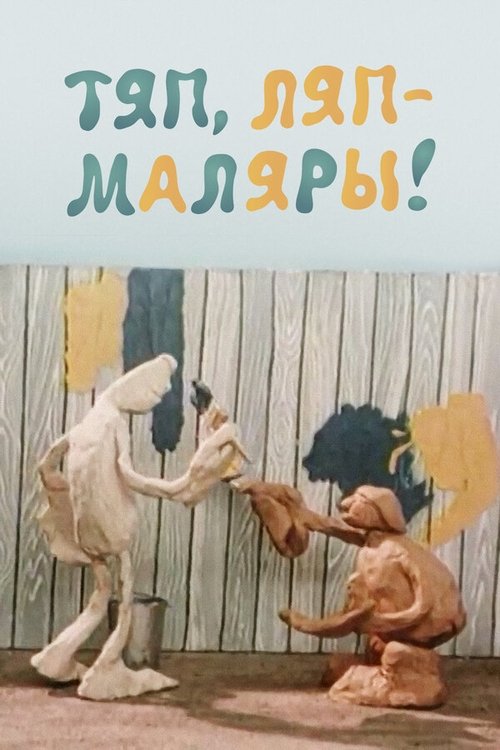
Story about how the plasticine heroes "Any" and "How" paint factorys fence. The film makes fun of slackers and bungler.
1978
2014

1962
1959
1967
1935
1979
1994
No reviews yet. Be the first to share your thoughts on this movie!
Use the rating form above to leave a star rating and optional review.