The Big Blue Adventure
1989
No user ratings available yet
Representation score: 3.3 out of 10
Representation Score
Minimal
2010
Director
Rob Goldberg
Runtime
90 minutes
Average Rating
No ratings yetNew Showbiz Analysis
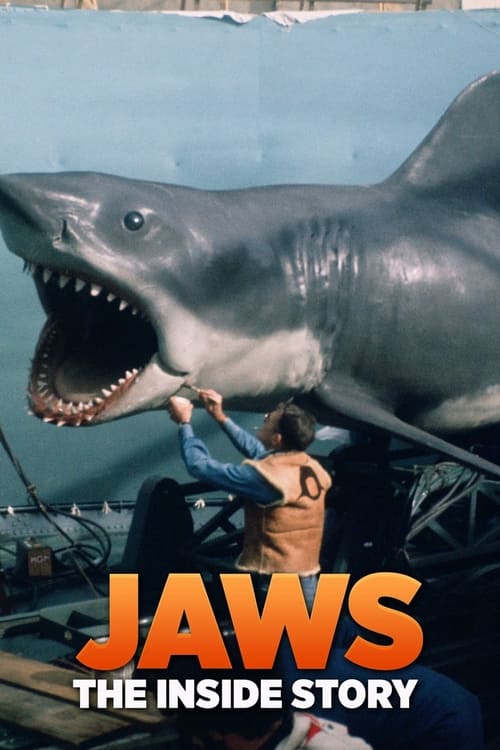
This documentary serves as a historical record of the technical and logistical production of the 1975 film Jaws. Focusing on the mechanics of filmmaking and the history of cinema, it lacks contemporary social commentary or character-driven identity politics. The production adheres to a traditional framework of preserving cinematic history. It prioritizes the legacy of a foundational Western film over disrupting social hierarchies or including diverse perspectives. As a result, the film reflects the historical realities of the 1970s film industry. It does not aim to challenge social norms or provide characters who reflect more than one aspect of diversity within its retrospective narrative.
Category Breakdown
The documentary focuses on the technical aspects of producing a classic film from the 1970s. It does not include narratives about LGBTQ+ identities or challenge assumptions about straight relationships.
The content centers on the production processes of a mid-1970s film. It reflects the traditional gender roles and industry hierarchy of that time without challenging those roles.
The subject matter is tied to a specific period in Hollywood history. It highlights the original cast and crew from the 1970s without considering contemporary issues related to multiple identities.
The film preserves the history of traditional filmmaking achievements. It celebrates the work of that era without engaging with modern secular or cultural deconstruction.
The film does not address neurodivergence, physical disabilities, or mental health conditions among the crew or as a thematic element.
Present on Screen
Limited or Absent
Official Synopsis
Steven Spielberg takes us behind the cameras for the making of a classic movie.
1989

1995

2010
2007

1977
1995

2021
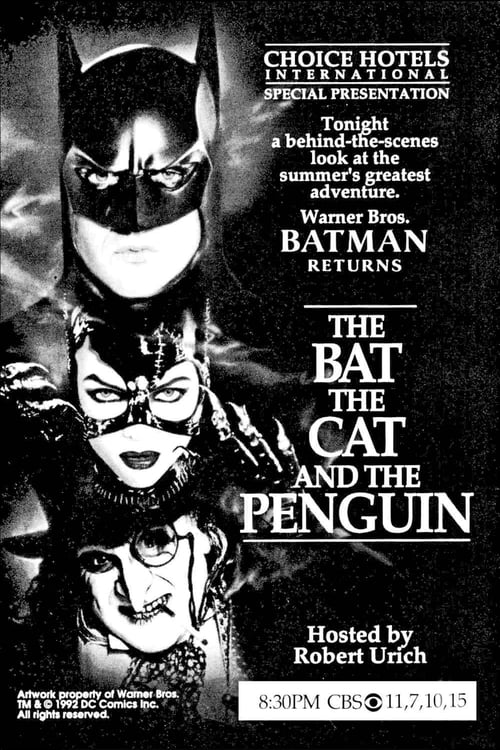
1992
No reviews yet. Be the first to share your thoughts on this movie!
Use the rating form above to leave a star rating and optional review.